
For those who don’t know anything about this trip and why I’m making it, please check my page: Japan Research Trip under my Japan Trip Blog menu.
Note that I’ve been fundraising for a few months now to try to gather up the resources to make the trip happen. Thanks to very generous friends and family, I’ve been able to fully fund this trip. It’s still going to be a pretty “lean” trip in many ways, and it’s way too short for visiting Japan. But, it’s going to have to do.
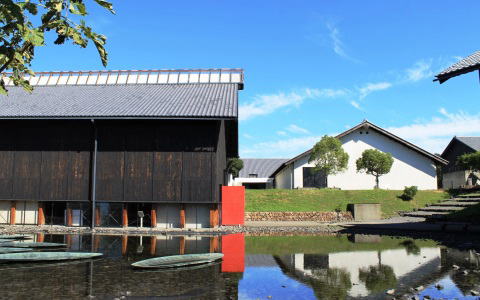
Toba Sea Folk Museum
There may be some obstacles once I’m there as it’s typhoon season and trains may be delayed and that may put a real hamper on some of my plans. But, life is what it is, and I’ll just go with the flow as best as possible.
My flight leaves out of SFO late Saturday night and, mostly, I’m prepared to go. Passport is in order, accommodations are booked, got a friend to stay with my cat, I’ve gathered the things I need to take, gifts to present to people I’m meeting, etc. I just need to finalize my rail pass, possibly obtain a “Pocket WiFi”, and it might be a good idea to reserve my tickets for the ferry to Sado Island.
The flight and some of the hotel stays were booked months ago through Travelocity. I actually got a tremendous deal on the flight, which is how all of this got started in the first place. Most of the hotels were booked through Booking.com, and together, those two sites seemed to do a decent job of securing my accommodations.
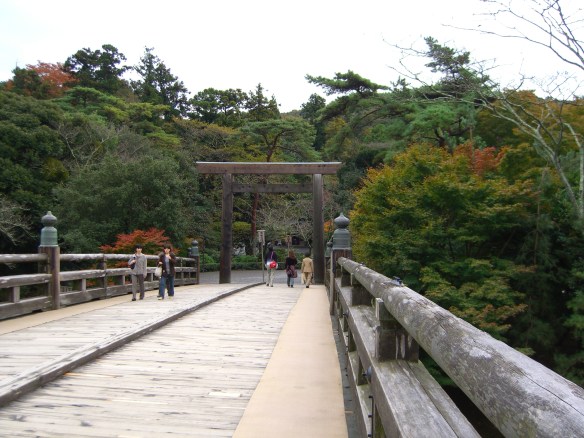
Bridge at the Ise shrine in 2006
So, here are the places where I’m going with the major items / points of interest. Asterisk* indicates overnight stay.
- Shizuoka
- Visit Woody Joe
- Hacchoro at port of Yaizu
- Toba*
- Toba Seafolk Museum (Warehouse of boats)
- Ise-jingu Shrine
- Tokyo*
- Edo Tokyo Museum
- Urayasu Boat Museum
- Visit Wasen Tomo no Kai
- Dinner with friends from The Rope, Tokyo
- Ogi village, Sado Island*
- Ogi Folk Museum
- Hakusan Maru (Kitamaebune replica ship)
- Taraibune Excursions / Taraibune maker
- Ogi Folk Museum
- Tokyo*
- Final Day of sightseeing, visiting people
Google Maps
I have to say that in the last couple weeks, I’ve made very heavy use of Google Maps. Actually, I’ve been using it for months to make sure place I’m staying at are actually in convenient locations. But, the last couple weeks, I’ve been going crazy working out how to get to various places, looking for convenience stores, places to eat on the cheap (most of my money will be tied up in travel and accommodations), etc.
Something that has been invaluable is the “Schedule Explorer”. My first day in Japan is going to be a bit tricky. I land at Haneda around 5:00 am, need to take the airport monorail to Tokyo Station to get to the JR Office. But, that doesn’t open until until 7:30 am, at which time I need to pick up my Rail Pass (I’m planning on getting a 7-day pass with Green Car access), hop on the Shinkansen toward Nagoya, but get off at Shizuoka Station. There, I will take a cab to Woody Joe, meet my long-time contact Mrs. Yukari Gojo, the president (her father), Mr. Tsuneki, and the staff. Aftewards, Yukari has offered to drive me in her car to the port of Yaizu, where we will meet with Mr. Hiroyuki Kobayashi, who is a member of the group that operates the Hacchoro boats, who will show us the boats and let me examine them.
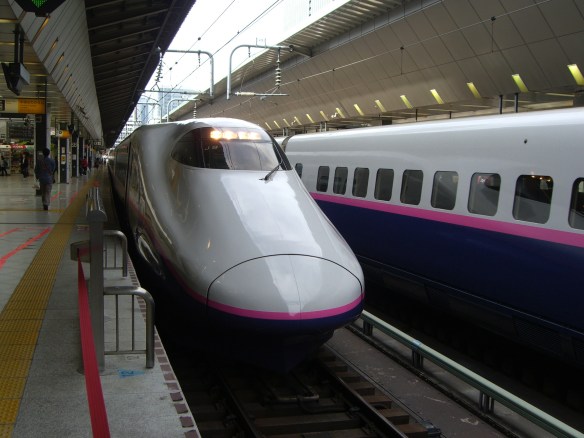
Shinkansen to Tohoku in 2008
Afterwards, they will drop me off at Yaizu Station. This station is not on the Shinkansen line, so I have to take this regular train either back to Shizuoka Station or onward to the next Shinkansen station. Then, I will continue on to Nagoya and switch to another train, possibly one called the Rapid Train Mie (mee-eh), which I can then take all the way south to Toba, where I will stay for a couple nights.
So, all of this is to point out that there’s a lot of travel planning on the first day, and Google Maps seems to have made it very simple for me to figure out how much time I will have in Yaizu. Of course, there will be some glitches and things it can not predict. But, I’m not going to be any better at predicting issues myself.
Also, being able to “walk” around the places has allowed me the opportunity to figure out that my initial accommodations in Ise, while homey and inexpensive, are too hard to find from the train station, especially if I’m running late and don’t get there until after dark. So, I found some alternative places that were actually in Toba and again did a virtual walk around and found the places very easy to get to.
Of course, I haven’t physically been there yet, so I won’t really know how successful this has all been until after I’ve gotten there. I’ll let you know how it turns out.
For now, it’s all pretty well planned out and so I’m setting it all aside and it will be what it will be!
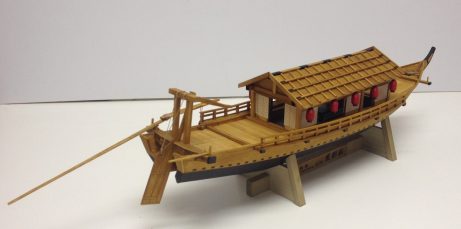
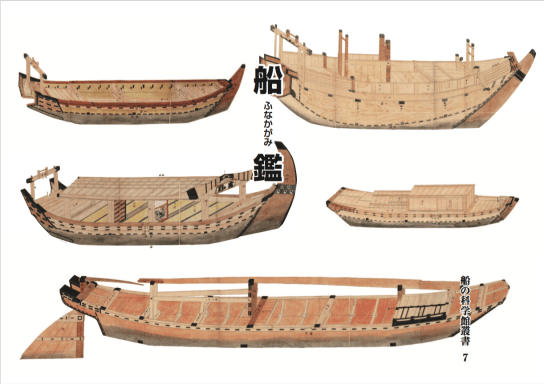
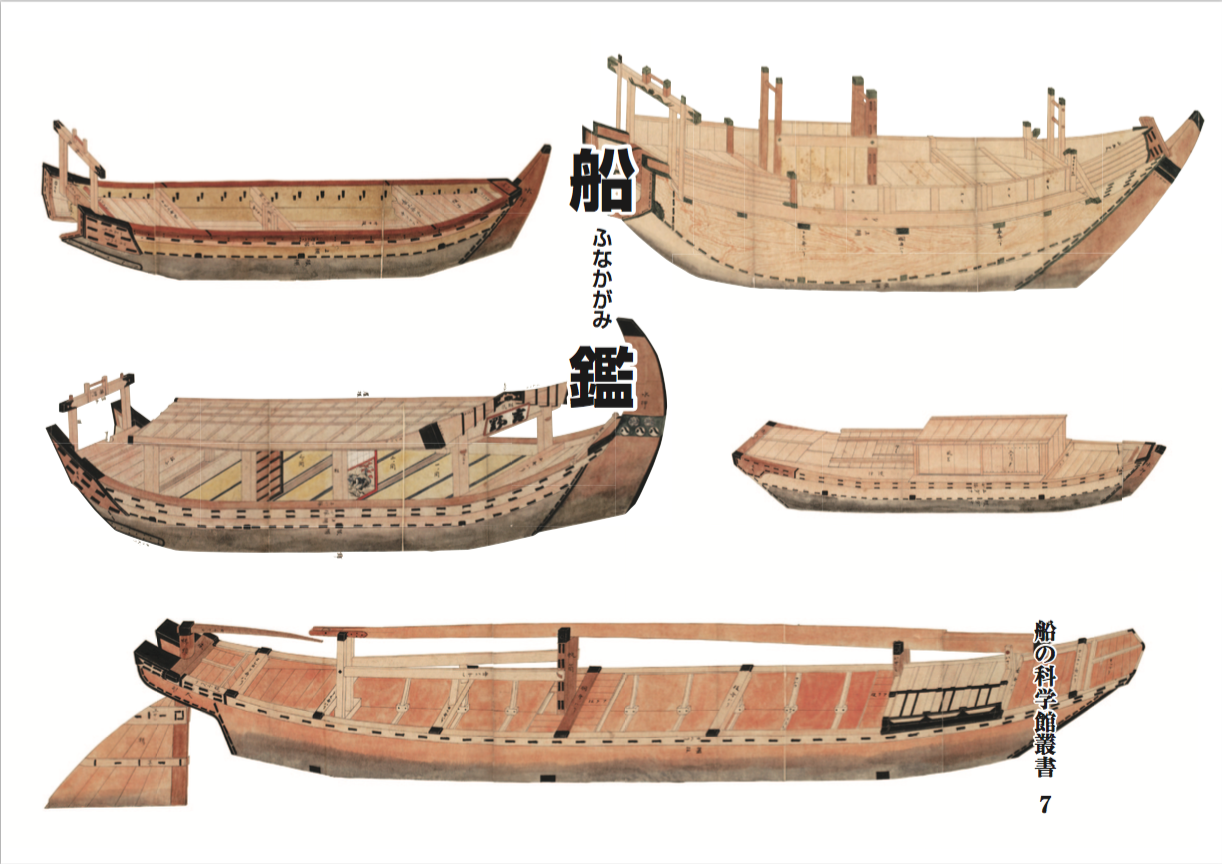
 Wasen Mokei 和船模型