
While this is about building a bridge model kit, it wouldn’t be complete without wasen on the canal below. The bridge model kit was the easy part – scratch building tiny wasen was much more difficult. But, admittedly, painting the tiny figures was probably the hardest part of the making of this neat little diorama from Woody Joe.

Earlier this year, I decided to take a short break from ship modeling projects and spend a week or so on something fun, but a little different. I have several small kits in my stockpile (what’s in yours?) of miscellaneous Woody Joe kits, including one of the famed Nihonbashi Bridge.
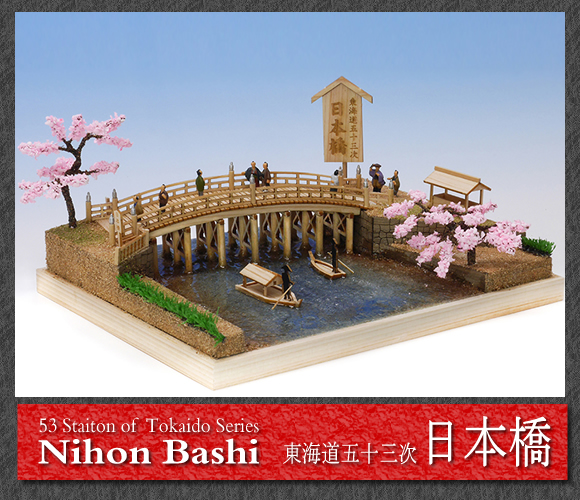
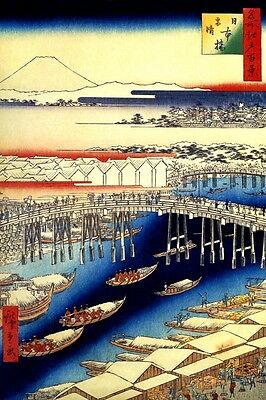
The bridge was originally built in the early Edo period, around 1603. Built in the heart of Edo itself, It was extremely significant, as it was officially the starting point of Japan’s 5 major roads. Yes, all roads lead to Nihonbashi, and the bridge appears in many Japanese woodblock prints.
So, I decided to start the kit, which I purchased from where else but Zootoyz.jp, for about $41 plus shipping. One of the driving factors in building this kit is that it would allow me to exercise some of my basic diorama building skills. After all, there are trees, the…
View original post 1,315 more words


 Wasen Mokei 和船模型