Douglas Brooks Building Cormorant Fishing Boat in Gifu

Boatbuilder, and my personal Japanese boatbuilding mentor, Douglas Brooks will soon be returning to Japan to begin working on the construction of an Ukaibune (鵜飼船), a cormorant fishing boat, in Gifu. In mid-May he will be working with Mr. Seichi Nasu, who may very well be the last builder of these famous Japanese boats.

The 85 year old Mr. Nasu has built over 700 boats of various types in his lifetime. But, unlike with Brooks’s past apprenticeships in Japan, Mr. Nasu will not be directly involved in the construction, and will instead direct, while Brooks provides the physical labor.

Ukaibune on the shore of the Nagara river. Image courtesy of Douglas Brooks.
Continue reading

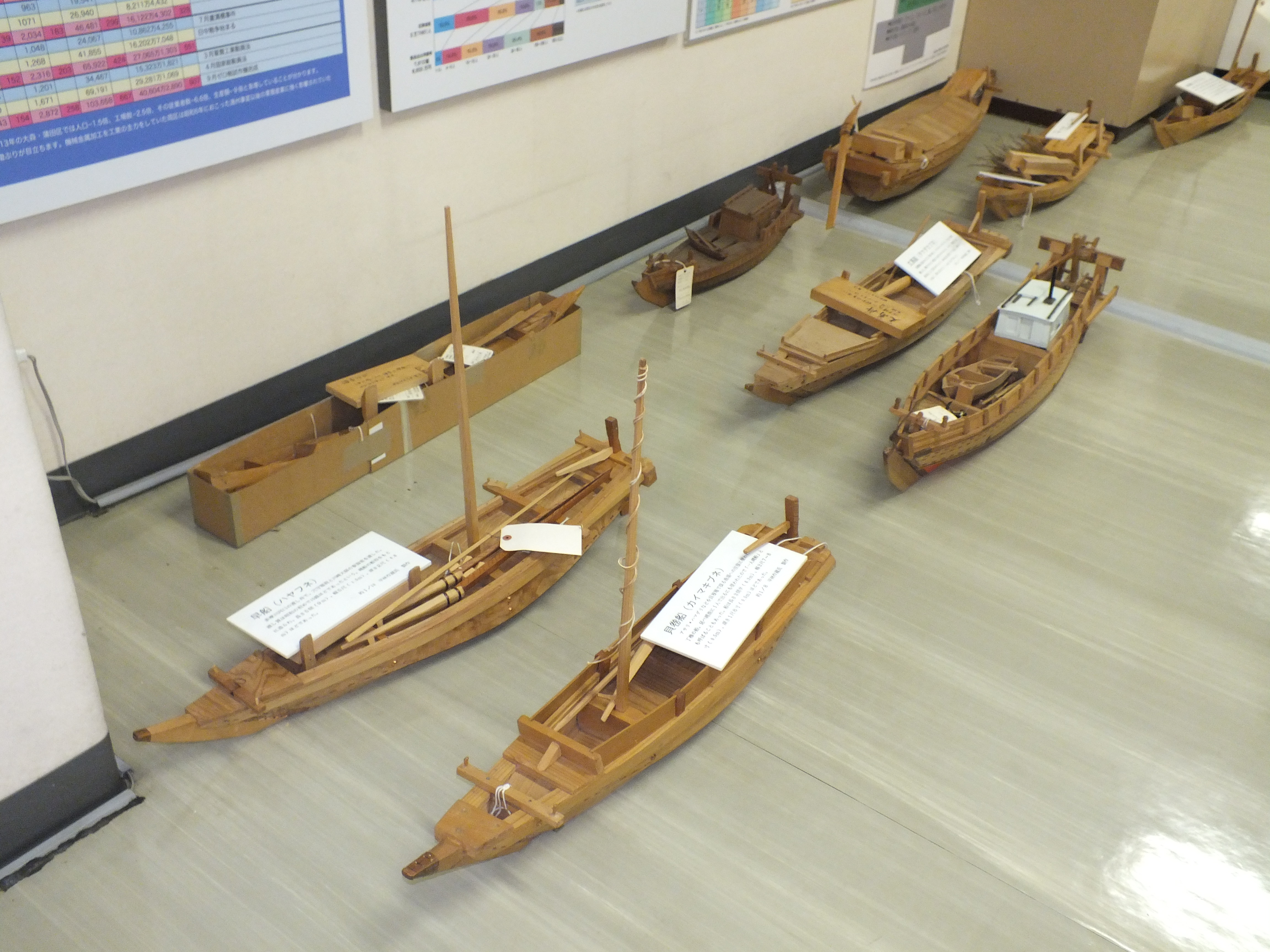
Wasen Models of the Ōta Ward Museum (大田区の博物館)

%e4%ba%94%e5%a4%a7%e5%8a%9b%e8%88%b9%e6%9c%a8%e6%9b%b4%e6%b4%a5%e8%88%b9_3

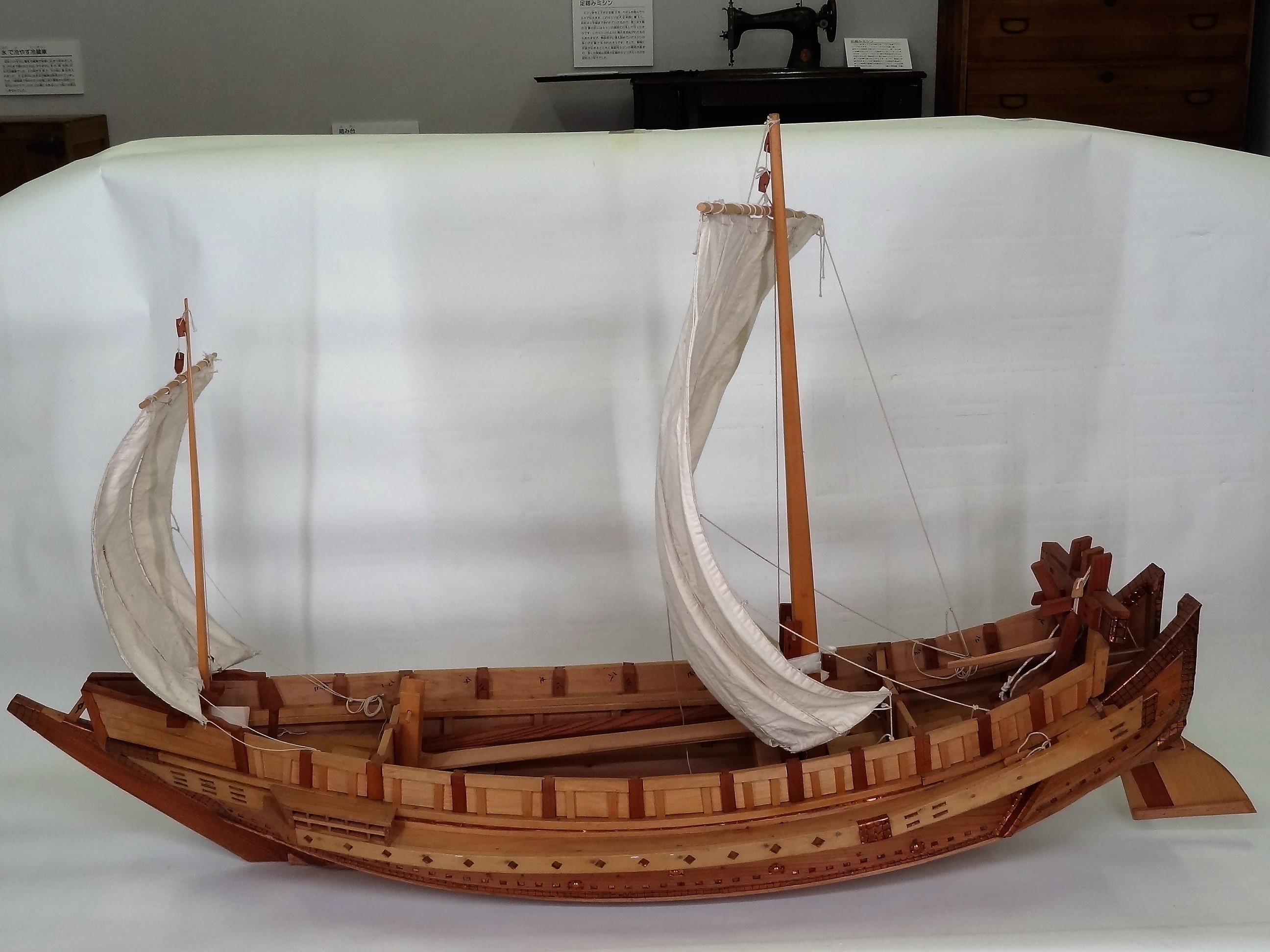
五大力船 – Godairiki-sen. 1/10 scale. One of the models in storage at the Ota Ward Regional Museum. Photo courtesy of Ota Ward Folk Museum, and taken by The Rope Tokyo.

The Ota ward’s regional museum is a place I’d never heard of, and nobody told me about. I discovered it one day as I was digging through an old database file I stumbled across on the Nippon Foundation Library website. Not being able to read much Japanese, I downloaded an Excel spreadsheet and began translating piece of it to figure out what I had. What I found was a list of about 900 wasen models and their dispositions. Included in the list was their city location and address.

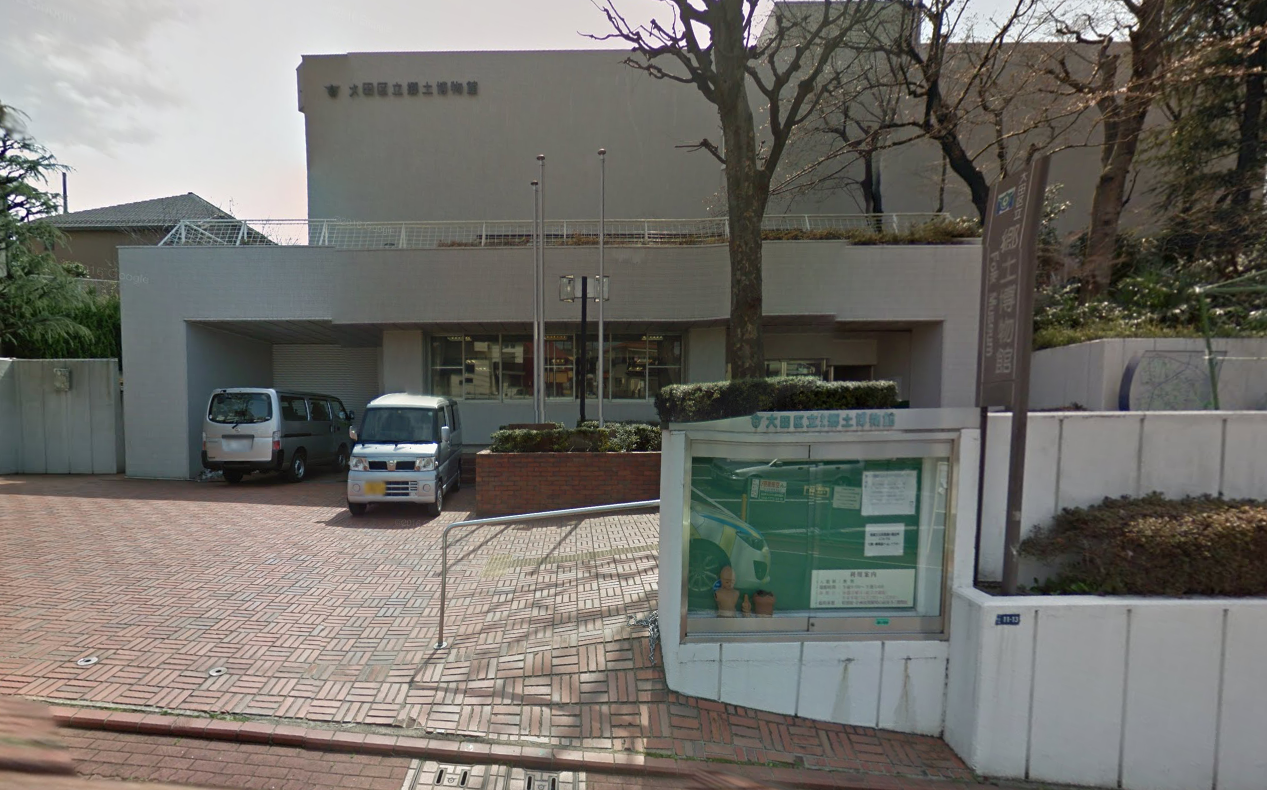
I recognized the kanji for Tokyo, 東京, so I focussed on those. I copied and pasted the address into Google Translate, and I got that the address was in the Ōta ward. Now, I’ve been to Tokyo a few times, but I’m not too familiar with the system of wards, which are subdivisions of cities. But, I had the address and popped it into Google Maps, which allowed me to locate it precisely, and even do a virtual walk around the area.

screen-shot-2017-02-12-at-9-40-25-am

Front of the Ota Ward Regional Museum as seen from Google Maps’ street view.

Continue reading

Looking at the Senzan-maru (千山丸), a Traditional Japanese Whaleboat

When I visited Japan in September, I found that I’d really hit the jackpot at the Toba Seafolk Museum. Not only are there numerous small boats on display, plus dioramas and a dozen or so models, but the gift shop is well stocked with books. I visited early in my trip, so I didn’t get as many books as I wanted to. Sadly, I didn’t see any of the books I was interested in at any other location I visited during the trip. One book I did pickup detailed a boat called the Senzan-maru, 千山丸.

img_2726

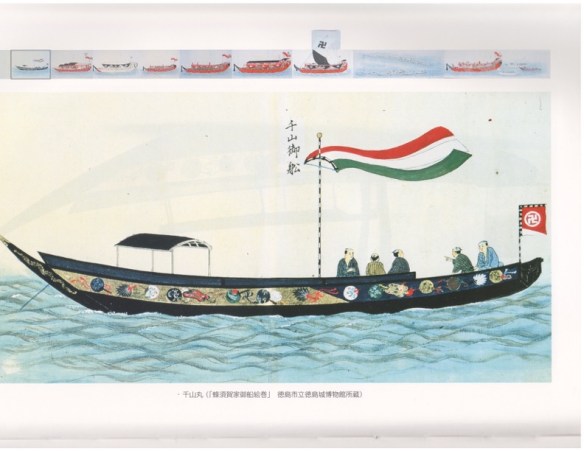
The Senzan-maru is the name given to a boat that was in the service of the Hachisuka clan. The boat was used to deliver messages and to help tow river barges, like the large decorative warship that served as the feudal lord’s yacht. The boat is a type called an Isanabune, a fast, seaworthy boat designed for whale hunting. Many whaleboats and fishing boats were decorated with painted designs on their hulls, but probably not to the same extent as Senzan-maru.

image-3

The highly ornamental hull painting on the Senzanmaru

Continue reading

Yaizu’s Hacchoro (八丁櫓) Fishing Boat

Yaizu is a coastal city on Suruga Bay, 10 miles south of Shizuoka, and about 50 miles southwest of Mt. Fuji. On a clear day, you can see Fujiyama. I visited Yaizu during typhoon season, and the mountain was obscured by clouds. Yaizu is the home of two replica Hacchoro (hot-cho-ro), fishing boats that got their claim to fame as boats of these types were once commissioned as escort boats for the retiring Shogun, Tokugawa Ieyasu.

img_0886

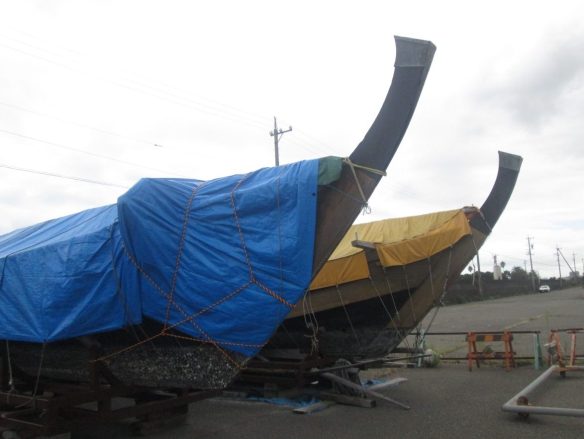
Hacchoro at the port of Yaizu, wrapped up for the season.

The story goes that the Shogun, or military ruler of Japan, liked to hunt game using a falcon. Travel to the hunting grounds required a trip by sea. To provide escort, 24 fishing boats were commissioned. But, the fishermen operating the boats had a difficult time keeping up with the Shogun’s boat due to strict limitations in place on the number of oars that could be implemented on fishing boats – a limitation imposed to limit the military capability of the craft. The fishermen of Yaizu were then granted permission to use 8 oars, which gave the boats their name – Hacchoro, translates to “8 oars”.

Continue reading

Douglas Brooks’ Japanese Boatbuilding Class Project

American boatbuilder Douglas brooks recently finished teaching a one-month class on building a traditional Japanese wooden boat at Middlebury College, in Vermont. The subject was a boat that was once used on the Agano River in Niigata Prefecture.

DSC_0005 (28)

What an awesome class to be part of! The students did an amazing job. I can only wonder if they realize how fortunate they are to have been part of this experience.

DSC_0089 (14)

You can see more photos and description on Douglas Brooks’ blog here. Ω