Boatbuilder’s Workshop model by Yukio Nakayama

Yukio Nakayama recently posted some photos of a traditional boatbuilder’s workshop on his blog site. There are several photos worth checking out.

He also posted some images of what appears to be a lumber yard, where a small craftsman appears to be preparing to split a log to cut into planks.

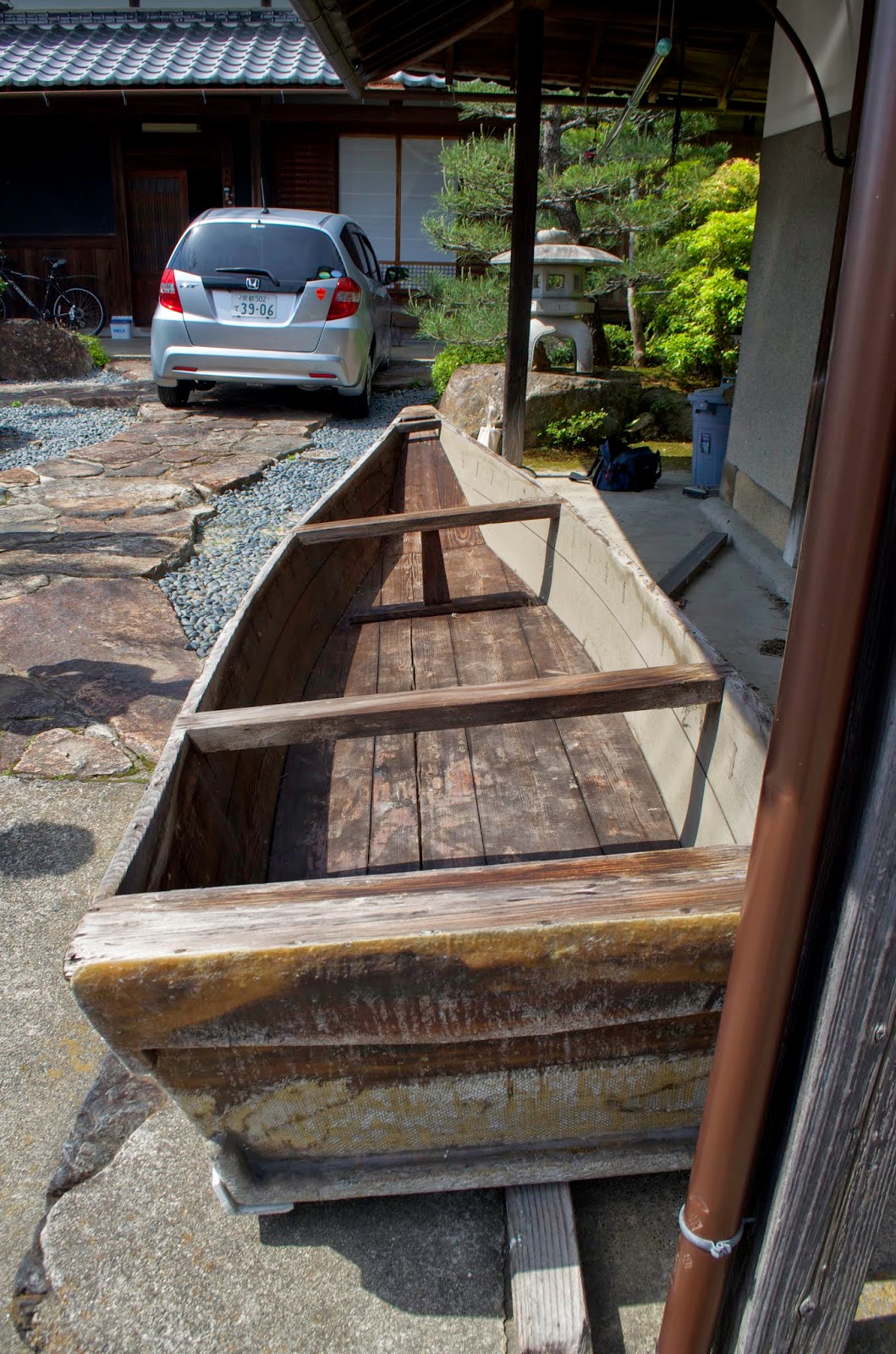
I realized later that the boat outside is a bekabune. The boat inside, I think is an utasebune. In fact, that’s exactly what they are. If I had bothered to pay more attention, the label under the title of his blog page identifies them.

I sent this image to Douglas Brooks, who says that Nakayama-san had worked at the Urayasu Museum and think he had helped build the full-sized versions there.

These are posted on his blog, Edowasen, also on WordPress. Click the link below to view:

via 仮屋 — 木造和船 中山幸雄の世界

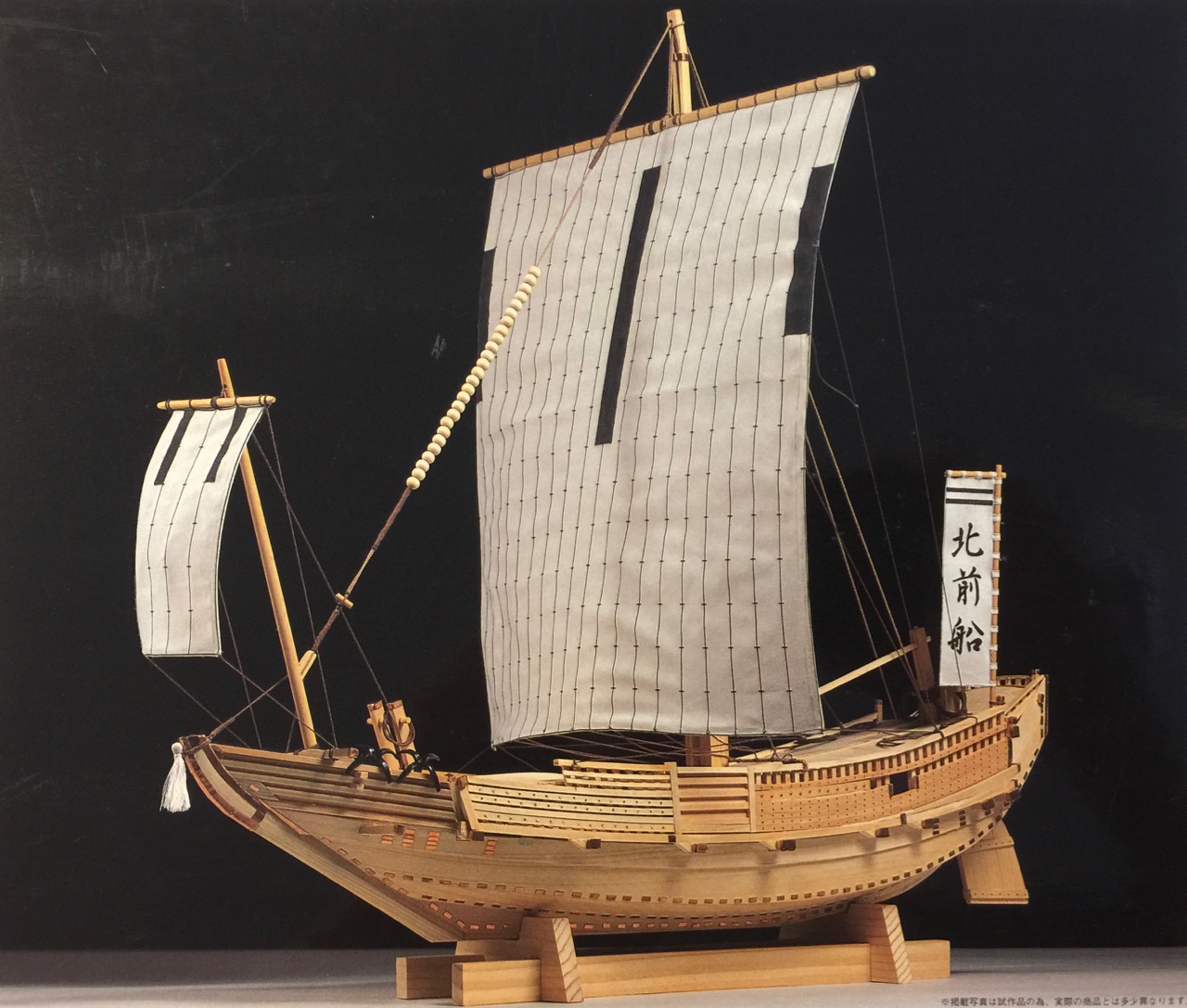
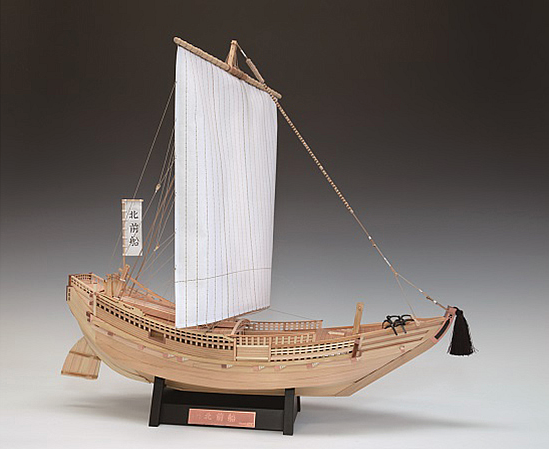
Woody Joe’s Old Sengokubune and Kitamaebune Kits Now Collectors’ Items

Before the advent of laser cutting, Woody Joe made two bezaisen kits, the Sengokubune and the Kitamaebune. Both were described as 1/30 scale models, but were in actuality about 1/60 scale. These kits were supplied with milled wood parts, wooden sheets, strips and dowels. Construction was more what one would expect from a wooden model kit.

Woody Joe’s old Kitamaebune kit.

Woody Joe’s new 1/72-scale laser-cut Kitamaebune kit.

Continue reading

Building a Hozugawa Ayubune Model in 1/10 Scale – Part 2

The ayubune is not my first Japanese boat scratch build attempt. The first was the Urayasu bekabune, a boat designed for working among the seaweed nets of Tokyo Bay. But, being unaccustomed to scratch building Japanese traditional boats, I was wresting with a few construction problems and a couple errors, so I set it aside. Then, I found the ayubune on Douglas Brooks’s blog.

The ayubune is a very simple design. There is no cutwater, the side are flush, making for a very simple shape, and there few details beyond the hull and beams. This seemed to be an ideal subject to start with.

Mr. Brooks recorded 3 sizes of ayubune in Japan, a 24-shaku, 18-shaku and a 15-shaku boat. I noted that he built at least 3 of the 15-shaku boats and posted photos and notes on their construction. At a traditional 1/10 scale, the 15-shaku boat would be just about 15″ long, which seemed like a good size.

Large, 24-shaku fiberglass ayubune usee to give river tours to tourists on the Hozu river.

15-shaku ayubune on which my drawings are patterned. Photo courtesy of Douglas Brooks.

Continue reading

Urayasu no Bekabune (浦安のべか舟)

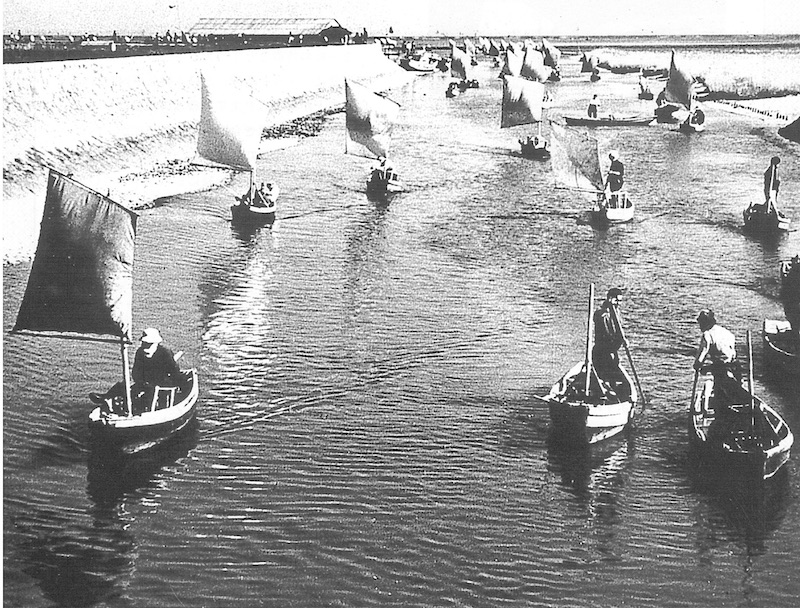
The bekabune, sometimes referred to simply as a beka, is a small, one person, flat-bottomed boat used for gathering seaweed. In the city of Urayasu, which was once on Tokyo Bay until landfill projects left it far from shore, there were two types of bekabune used. A smaller one, sometimes called a noribeka, that was used strictly for gathering seaweed, and a slightly large oner which was also used for catching shellfish. Large numbers of these boats operated out of Urayasu, while similar boats operated out of the rival port to the west at Ōta.

Many of these boats were designed to allow the use of a mast with a single spritsail. Others, which I believe were expected to be towed or carried aboard the large net fishing Utasebune, were only designed to be paddled.

At one time, large numbers of bekabune operated out of Urayasu on Tokyo Bay. Photo courtesy of the Urayasu City Regional Museum.

Continue reading

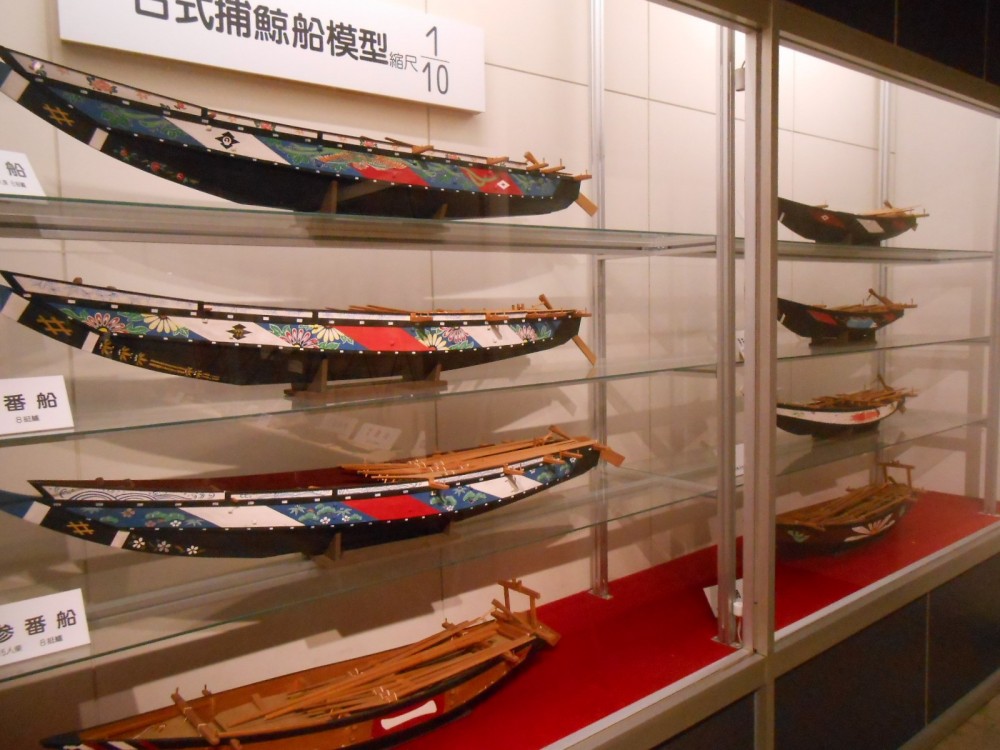
Kujirabune (鯨船) – Report from the Taiji Museum

While I received a digital copy of the Japanese whaleboat replica plans from the Taiji Museum curator, Mr. Sakurai, I never got the museum catalog he had offered to send. I didn’t worry about it, because I did have the plans, and I wasn’t charged anything, so I didn’t want to bother Mr. Sakurai about it.

Then, just yesterday, I received an email from Mr. Sakurai about it. He apologized and said he would be sending it out to me right away. Apparently, he was reminded of this, as my shipmodeling friend, Sekiguchi-san, just made a trip all the way to Taiji to visit the museum. He spoke with Mr. Sakurai briefly and asked him some questions that I think we both had about the whaleboat’s design.

He apparently also studied the full-size whaleboat replica on display there. I’m hoping he took some photos as well. Anyway, I’m looking forward to getting the museum catalog, which I believe is what we would more commonly refer to as an exhibition guide. I’ll report more when it arrives. Ω


Kezurou-Kai 2017 Follow Up

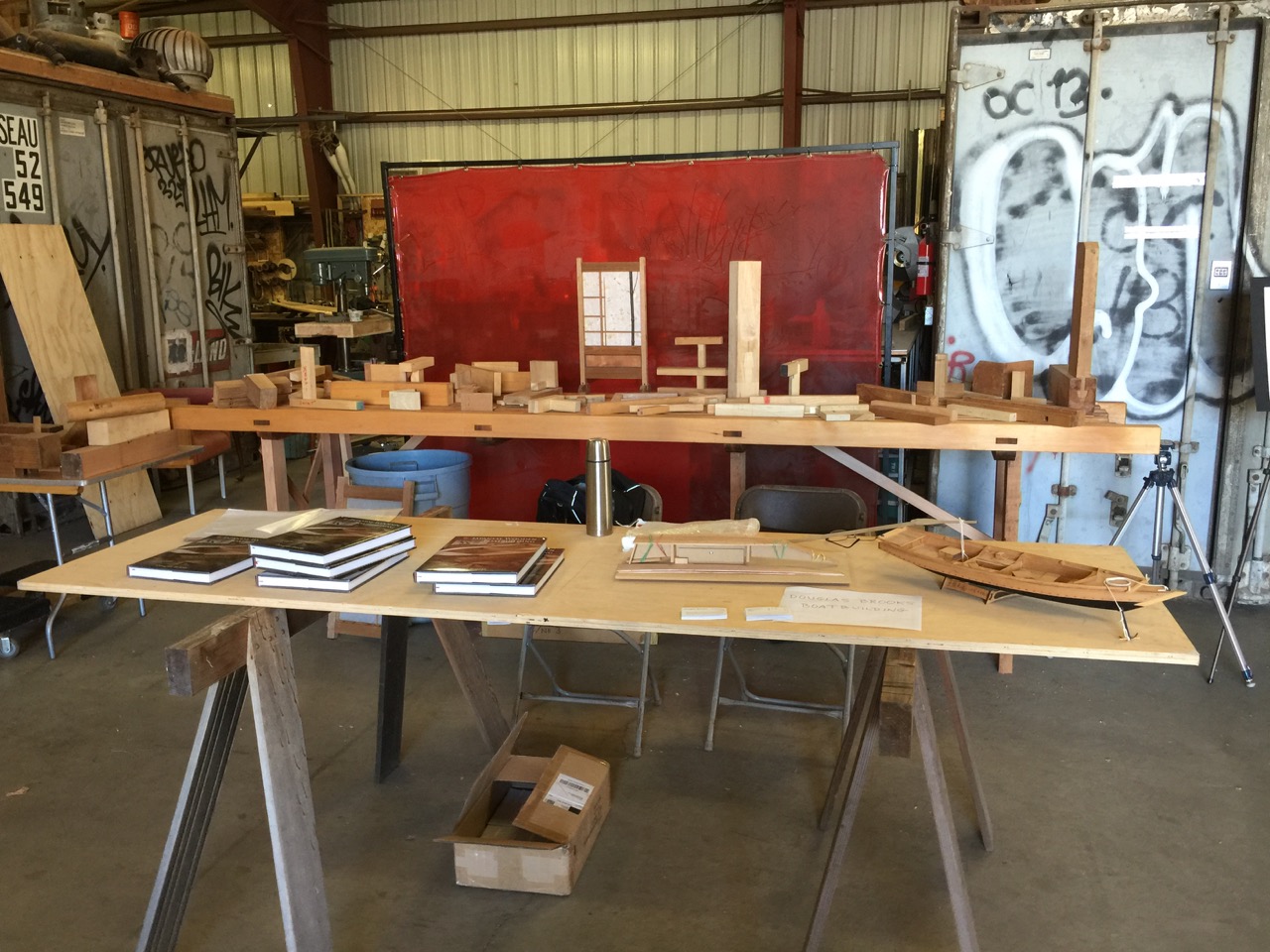
The 2017 Kezurou-Kai USA event is over and I had a very long day manning a book selling table for Douglas Brooks. It was a lot of fun meeting and talking with enthusiasts of Japanese carpentry. Many were local, but a number of people had flown in the the East Coast and elsewhere. I only worked the second day of this 2-day event, but I did manage to sell some copies of Douglas’s book, Japanese Wooden Boatbuilding.

My makeshift book sales table with my models on display.

It was nice to be able to talk to people about Douglas Brooks and Japanese wooden boats, as well as about the pair of models I brought. They were supposed to attract attention, which they did.

Continue reading

Kezurou-Kai in Oakland, Oct 20-22

While it doesn’t relate directly to modeling wasen, there is an event of coming up in Oakland, California this weekend, the annual gathering of Kezurou-Kai USA. This is a 2-day event of enthusiasts of Japanese carpentry.

I don’t really know much about the group except for what I’ve heard from others in past months. And, the only reason I know about it now is really because of Douglas Brooks, who apparently gave a talk at the Kezurou-Kai event, which I believe was in New York last year, from what I recall.

Well, Douglas asked me if I would be willing to spend a day at the event to sell his book Japanese Wooden Boatbuilding. Of course, I welcome any opportunity to pay him back for all the help and information he has given me, so I agreed to run a vendor table on the Sunday of the event.

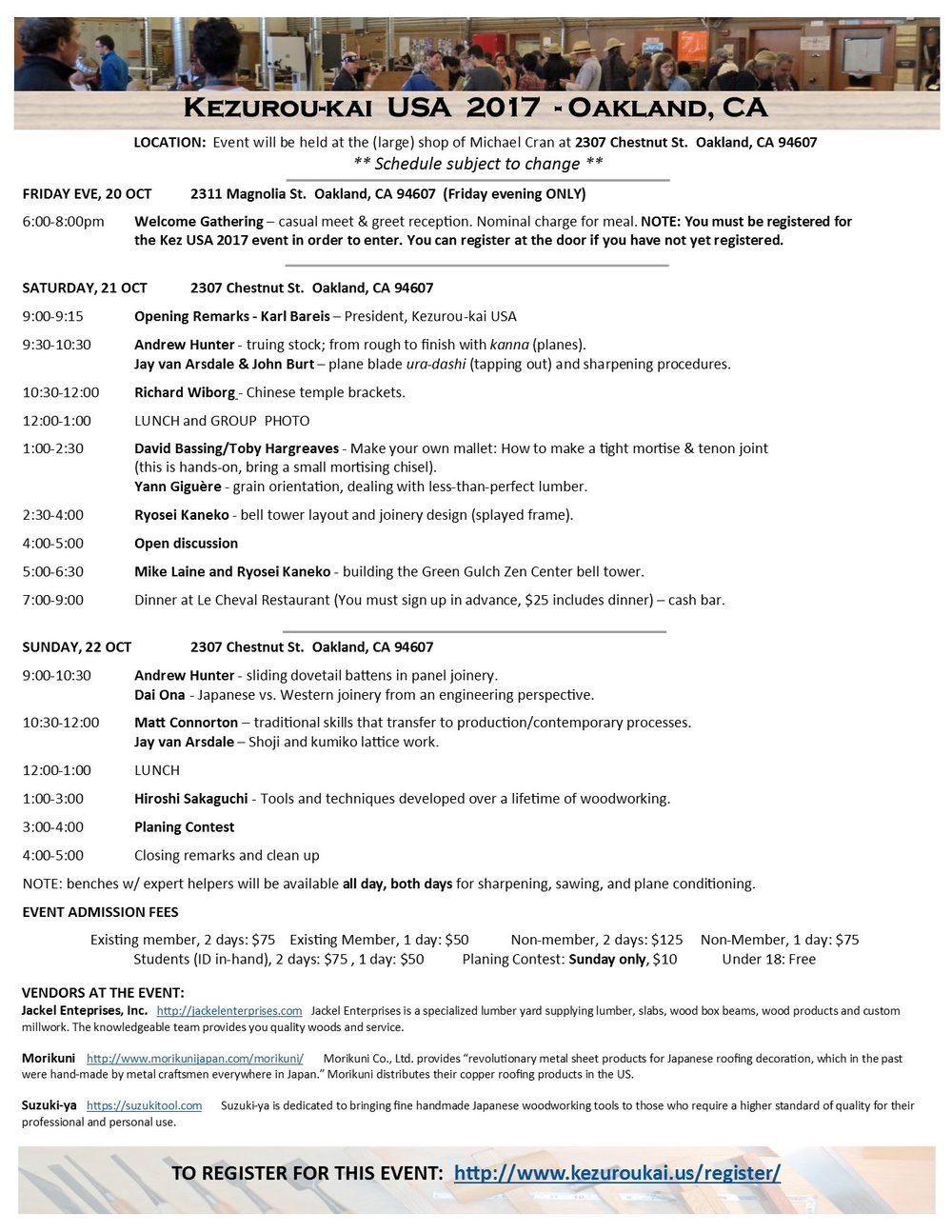
Here’s a copy of the event schedule that I copied from their website.

Continue reading

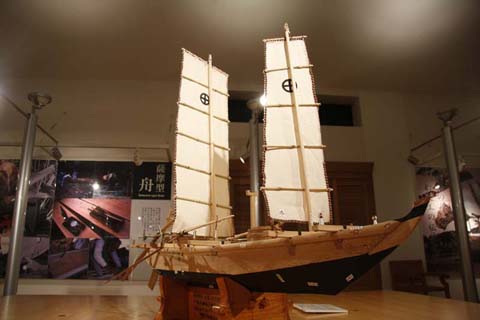
Satsuma-gata Wasen (薩摩型和船) – Toba Seafolk Museum

Recently, there were several posts on Facebook regarding boats from the southwestern end of the island of Kyūshū. It took me some effort to review the posts and linked pages to figure out that the boats described were of the same general type, as the terms used to describe the type seemed to vary a bit. The boat is a Satsuma-gata, or Satsuma-type boat.

Satsuma is an old feudal domain that makes up part of what is now Kagoshima prefecture on the island of Kyūshū. I didn’t know much about this area or about this boat until the recent Facebook posts.

Continue reading

Kujirabune (鯨船) – Japanese Whaleboat Plans Arrived!

Yesterday, I received an email from Mr. Hayato Sakurai, who is the curator of the whaling museum in Taiji, Japan. Interestingly, Mr. Sakurai also lists himself as Advisory Curator for the New Bedford Whaling Museum, which I didn’t know, though it only makes sense.

Scene from a 150 year old screen painting of whaling along the Kumano Coast, Kishu region

Continue reading