Wooden Japanese Traditional Boats – The World of Yukio Nakayama

木造和船 中山幸雄の世界

Yes! I managed to stumble across Mr. Yukio Nakayama’s wordpress blog site by pure chance today. I’ve know about this man and his work for about a year now. One of my Japanese ship model contacts even sent me some photos of the man’s work at an exhibition several months ago, but he never put me in contact with him.

I wasn’t too worried because my Japanese language skills are not good and I figured it would just be either frustrating or annoying for Mr. Nakayama if I tried to communicate with him, though I did find someone else who offered to put me in touch with him. Now that I’ve found his blog, I may just have to try.

In the meantime, you can visit his site and poke around and see some of his work on his blog. You’ll find a few drawings, plus photos of several of his models.

All his models are the same scale, 1/70 I believe.

江戸木造和船細工師

Source: 木造和船 中山幸雄の世界

The above link will take you to his blog, but here’s the URL: http://edowasen.wordpress.com

Higaki Kaisen and Tosa Wasen Build Logs

Today, I finally got around to migrating two important build logs from my shipmodeler blog over here to wasenmodeler. The blogs cover the building of Woody Joe’s Higaki-kaisen model kit and Thermal Studios’ Tosa wasen kit.

My Higaki-kaisen model built from a Woody Joe kit

My Tosa wasen model built from a kit from Thermal Studio

While the blogs are not step-by-step instructions, it’s my hope that they may prove helpful to someone building the kits or interested in them. The original build logs are still on shipmodeler, but I’ve managed to use the WordPress system to export them from the other blog and import them here. Quite easy, actually.

The only other build logs that I would consider moving from shipmodeler are for the two Woody Joe mini-kits, the Hobikisen and the Yakatabune. Since these are just simple mini-kits that aren’t particularly accurate, I’ll probably just leave them where they are. After all, there is plenty write about and post here.

To access the newly migrated build logs, simple choose them from the Wasen Model Blogs menu above.

Painted Patterns on Kujirabune (Whale boats)

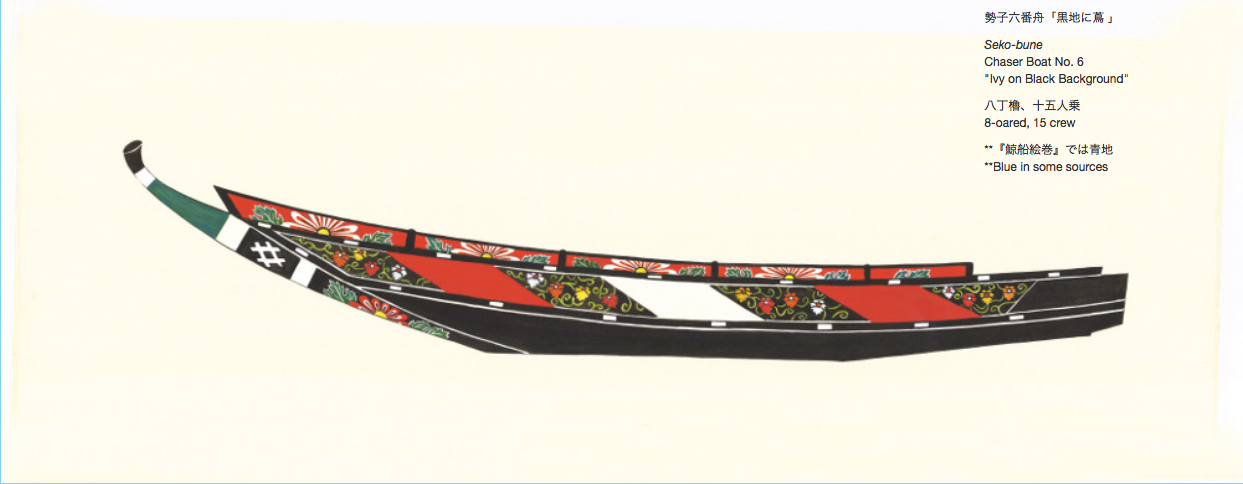
Kujirabune, also know as Isanabune, were fast boats designed for hunting whales. These boats often had brightly painted sides, decorated with symbols, crests, chrysanthemums, and other themes.

One such boat that I’ve mentioned specifically here is the Senzanmaru, a boat used by the  Hachizuka to deliver dispatches and to tow large gozabune, highly decorated yachts used by the clan.

Senzan-maru, a whale boat used by the Hachitsuka clan.

Today, I was admiring a Facebook post by a gentleman I’ve recently been in contact with who has an interest in wasen and took some photos of a group of whaleboats that were on shore in Kumano city, on the Southeastern tip of Shikoku island. I looked up the city on the Internet and one thing led to another. Next thing I know, I ran across an english language web page for the town of Taiji, which illustrates a large number of whaleboats of different types and their colorful painted hull patterns.

Chaser Boat No. 6, an 8-oared boat with a crew of 15. From the Taijiri town website.

There are more than 40 boats and patterns viewable on the web page: http://taiji.town/kujirabune/

But, the whole website is actually very interesting and informative. It appears that it was purposely designed to be a politically neutral, informative site on Taiji an its history in Japanese and English. Visit http://taiji.town

One thing I’m intrigued about is from the whale boats page when you click the About button. There is a detailed plan on the page. It’s too small to use, but I will be asking some friends if they can find out if these plans might be available from the museum. If so, you’re sure to hear about it here.

The Rope: Photo Gallery of Japanese Sailing Ships and Boats

I only just discovered that there is a page on the website of the Japanese ship model society The Rope that features models of Japanese ships. These include some modern era ships, but several Edo period ships are represented. This group does some really beautiful work, which I recommend checking out.

Here’s a link to the page, which is on the English language section of their website: https://theropetokyo-en.jimdo.com/japanese-ships-1/photo-gallery-of-japanese-ships/


Building a Hozugawa Ayubune Model in 1/10 Scale

There are a lot of potential wasen subjects to model, but good plans are difficult to come by. Also, when decent drawings are found, it’s often difficult to find or to understand the details of the subject. I’ve been toying with a lot of different possible model building subjects, but would usually run into some issue that kept me from pursuing it further.

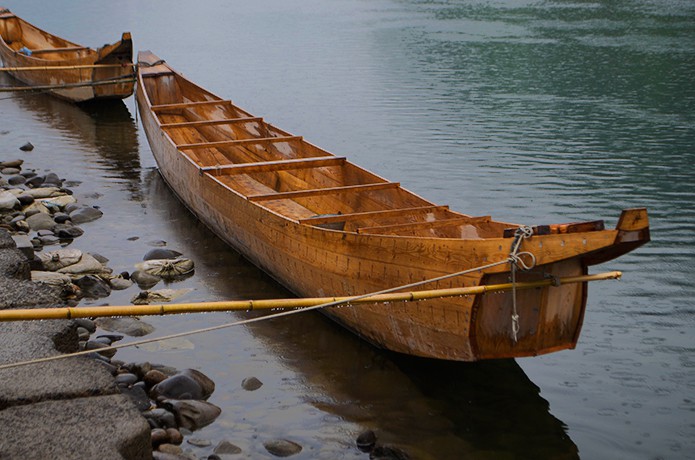
Recently, I sort of re-discovered a subject that I seem to have overlooked before. It is a boat that Douglas Brooks wrote about in past blogs from about 3 years ago, when he was building a boat in Kameoka, Japan, which is about 16 miles west of Kyoto. There, he built a Hozugawa Ayubune, a type of simple fishing boat that was used on the Hozu river.

15 shaku Ayubune built by Douglas Brooks in Kameoka, Japan, in 2014. Photo courtesy of Douglas Brooks.

Continue reading →

An Interview with Boat Builder Douglas Brooks

American boatbuilder Douglas Brooks has been working hard to study and document the craft of traditional Japanese boat building. He’s off again to Japan this month to study the construction of the cormorant fishing boats of Gifu prefecture.

An interview with him was just appeared on the Merchant & Makers website: http://www.merchantandmakers.com/the-craft-of-japanese-wooden-boatbuilding-with-douglas-brooks/

For more information on Douglas Brooks, visit his website at: http://www.douglasbrooksboatbuilding.com


Japanese Boats Diorama Exhibit in Tokyo, April 29 – May 14

I just learned that there is a special exhibit taking place at the Tokyo Museum of Maritime Science of a diorama of late Edo period Japanese boats. The exhibit will be in the museum lobby from April 29th through May 14th, 2017.

Continue reading →

Posting Japanese Boat and Model Photos

It has come to my attention that I haven’t posted much on Wasen Modeler lately. At the same time, I have a large collection of photos of Japanese boats and their models that I took while in Japan last September. So, I think it’s time to finally start organizing them and posting them here. These photos were taken in Tokyo, in Toba, and at the Hakusan Maru Museum on Sado Island. These locations are all in central Japan, and most of the subjects will probably also be from central Japan.

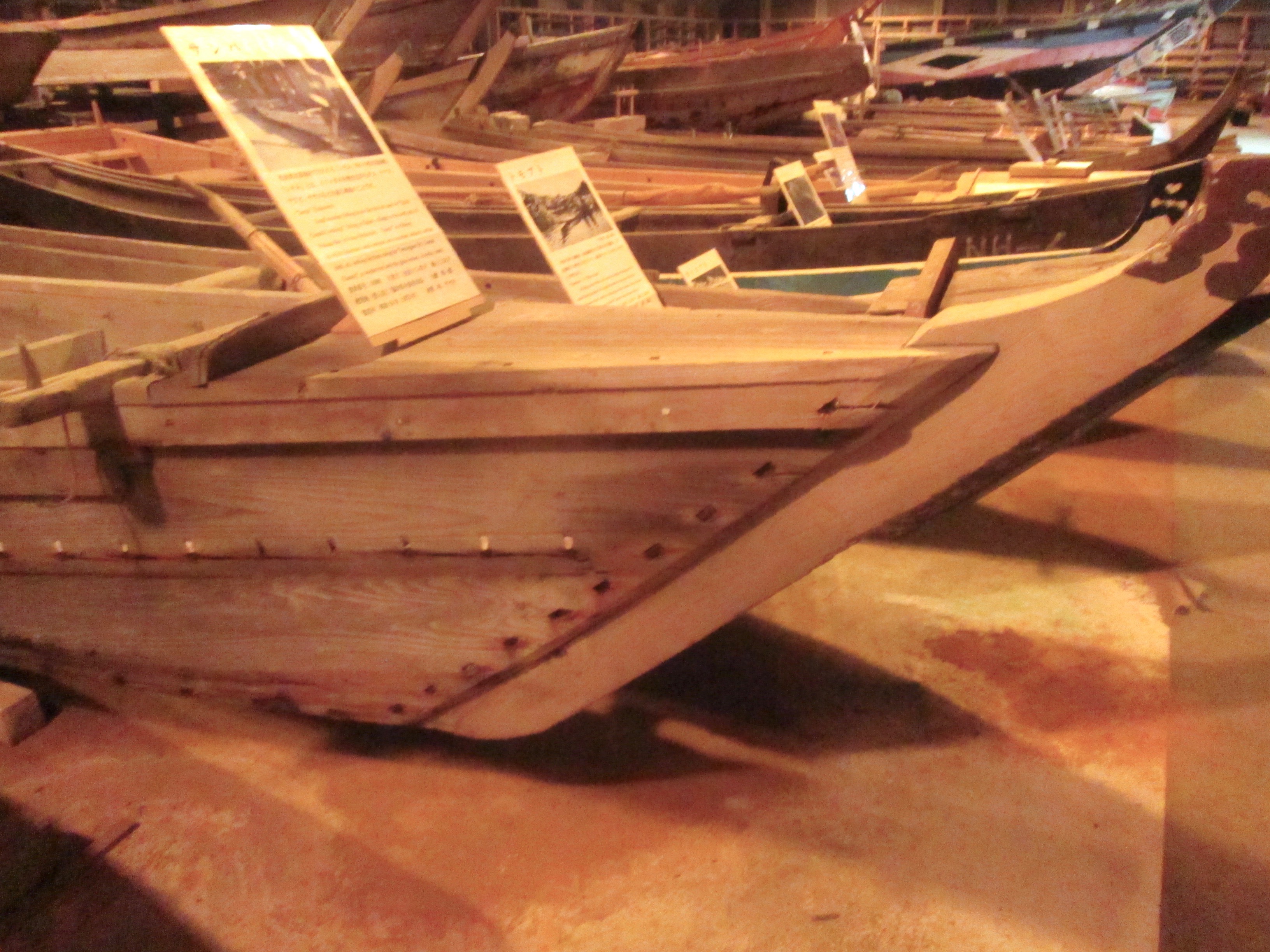
Boat repository at the Toba Seafolk Museum.

I plan on periodically posting photos of individual model or actual boats, or small groups of related items, particularly if I don’t have much information on them.

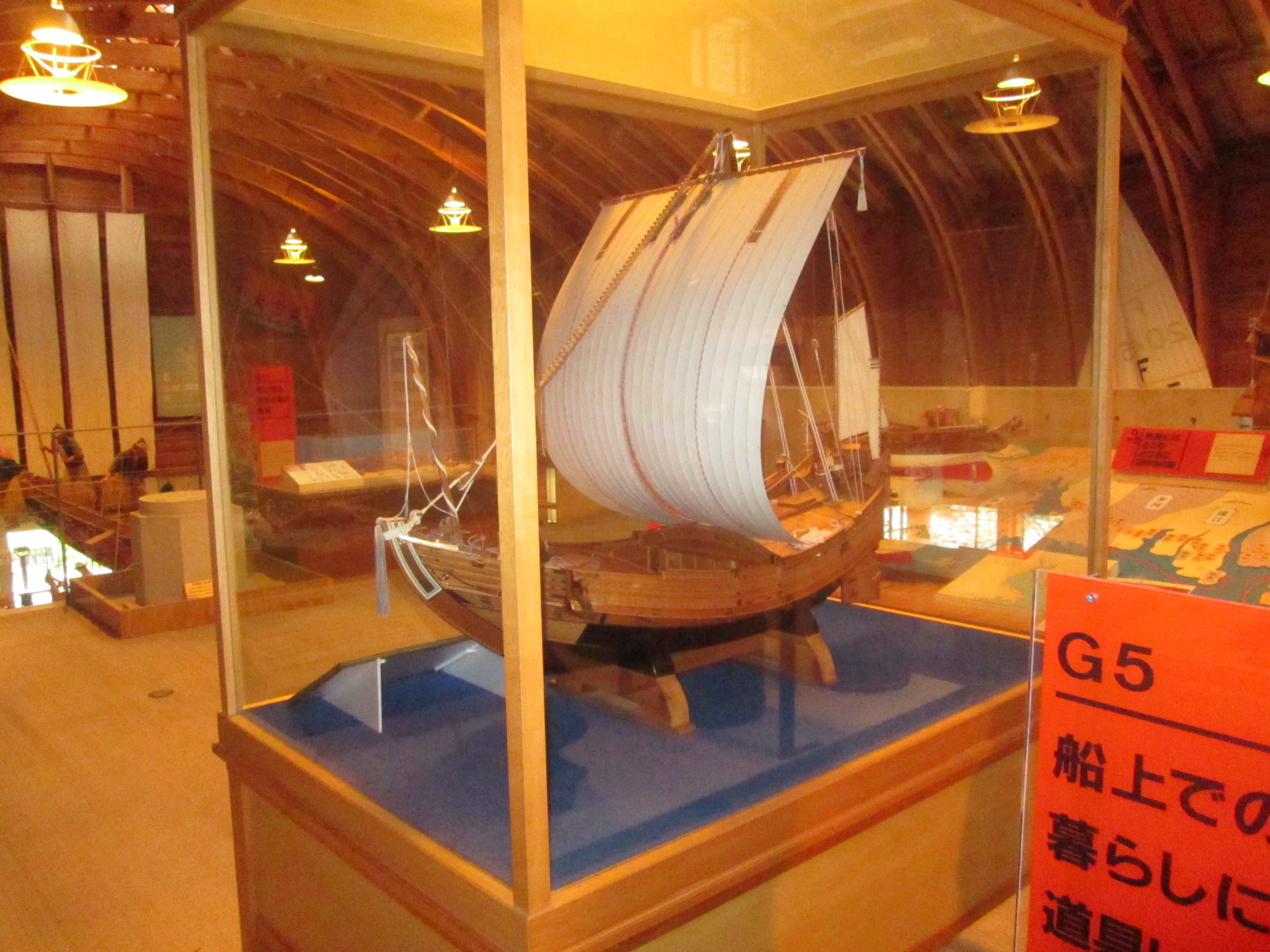
Displays at the Toba Seafolk Museum

I’ll probably focus first on those boat types that I know about and can explain. But, I have to warn you that there are far more types that I do not know about and can not explain. It’s all a learning process, and that’s what this site is really all about.

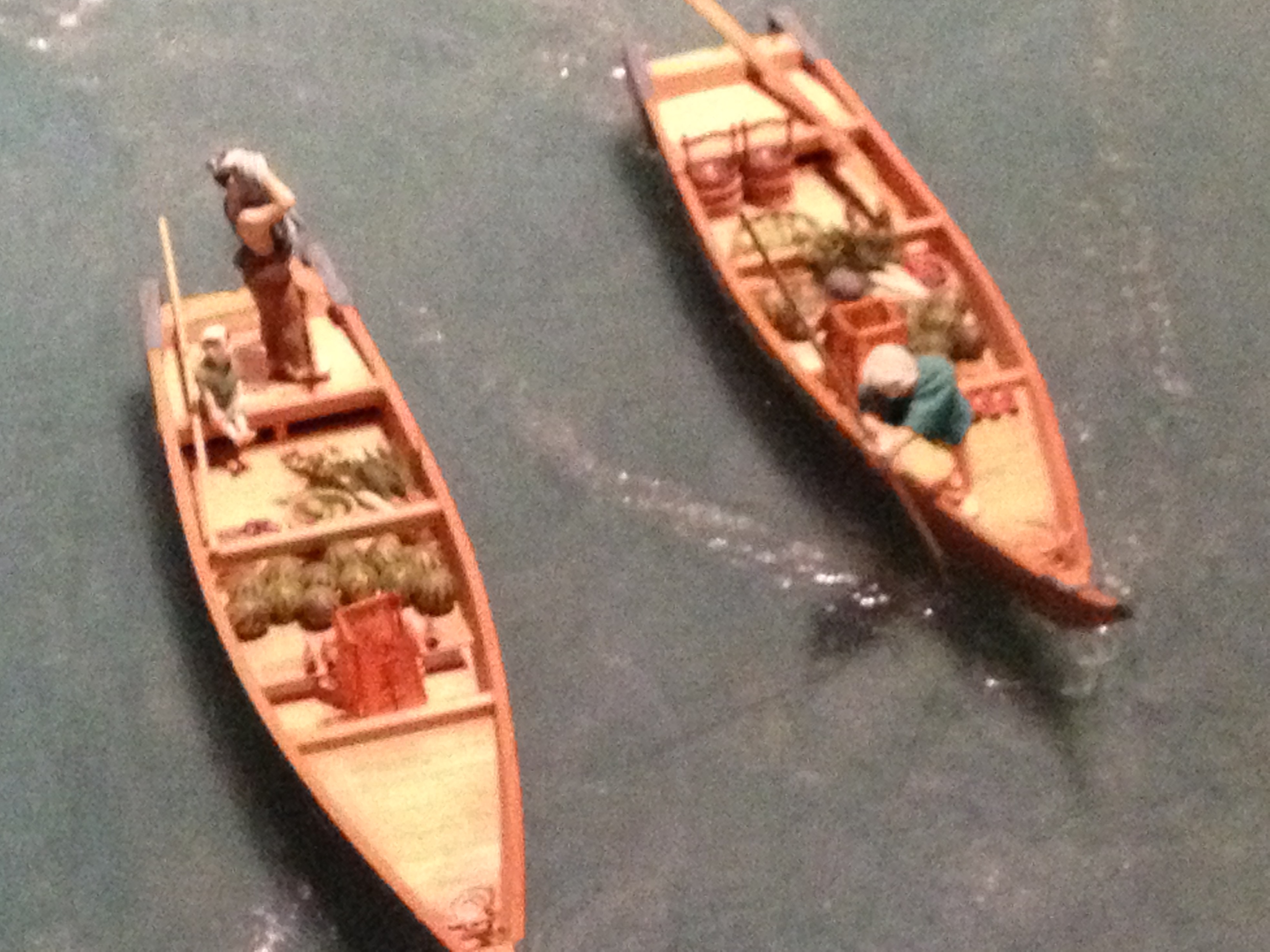
From the diorama at the Edo Tokyo Museum.

Be forewarned, perhaps by the photo examples you see here, than lighting conditions in Japanese museums are notoriously poor in order to help preserve the subjects, and my photography skills and equipment does not compensate well.

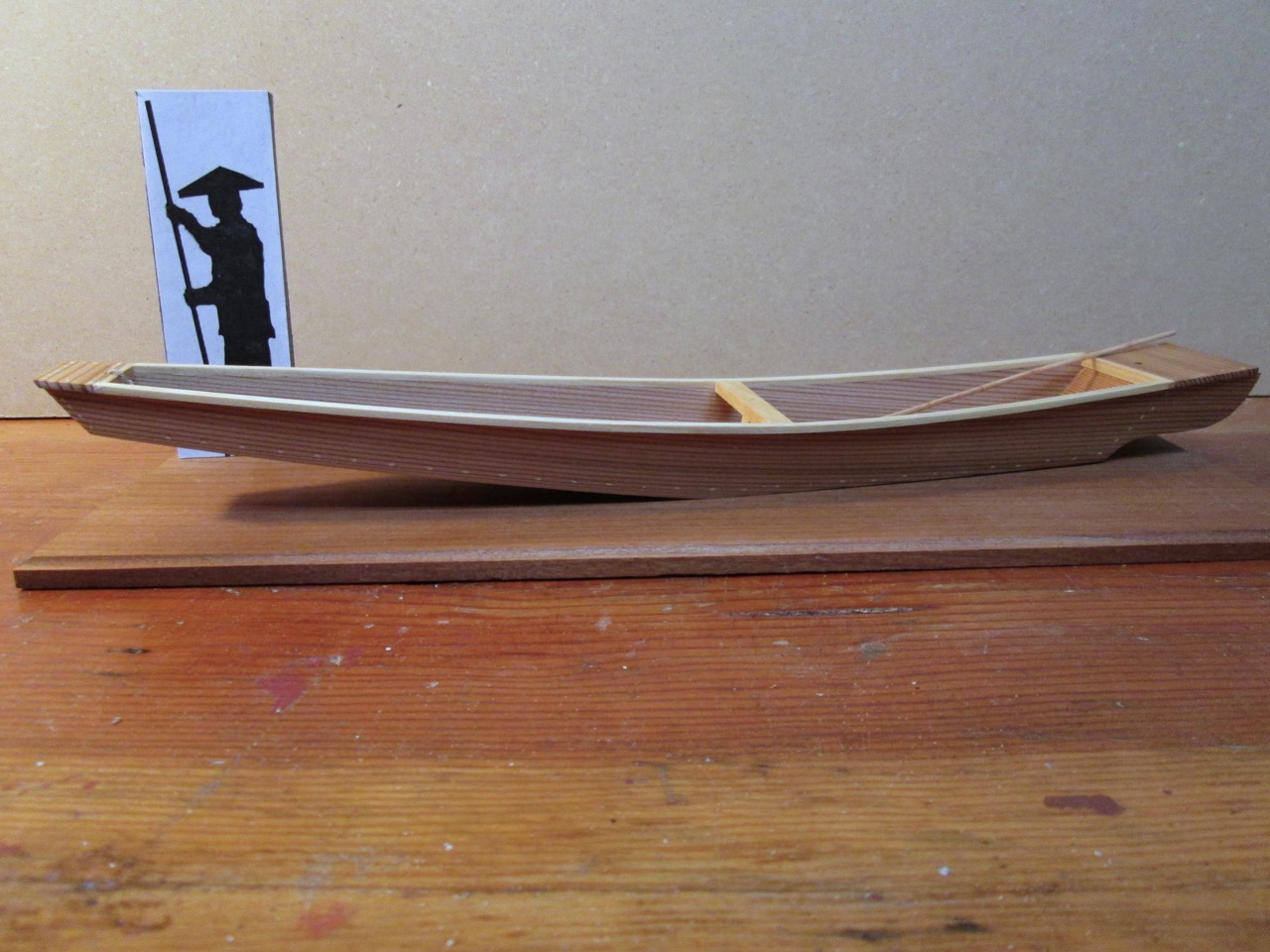
Modeling a Gifu Tabune – Adding Details

I added some details to my 1/20-scale rice field boat since my last post, so I took some new photos.

Continue reading →

Modeling a Gifu Tabune

When I was writing my recent post about Douglas Brook’s upcoming work in Gifu, Japan, building an Ukaibune, or cormorant fishing boat, I noticed another boat and some drawings on his blog site. The boat was one of three tabune (田舟), or rice field boats, that boatbuilder Seichi Nasu had just completed.

One of Nasu-san’s tabune built in 2014. Photo courtesy of Douglas Brooks.

Continue reading →