Higaki Kaisen and Tosa Wasen Build Logs

Today, I finally got around to migrating two important build logs from my shipmodeler blog over here to wasenmodeler. The blogs cover the building of Woody Joe’s Higaki-kaisen model kit and Thermal Studios’ Tosa wasen kit.

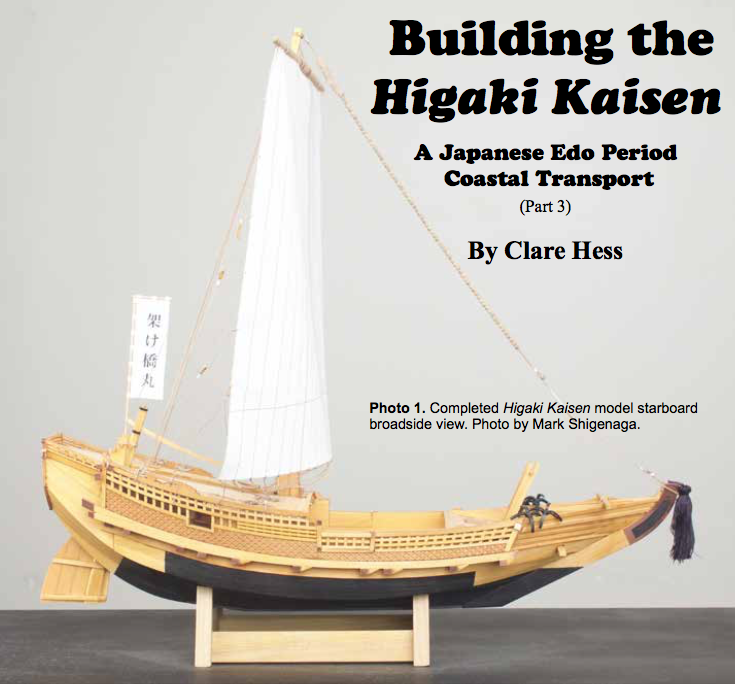
My Higaki-kaisen model built from a Woody Joe kit

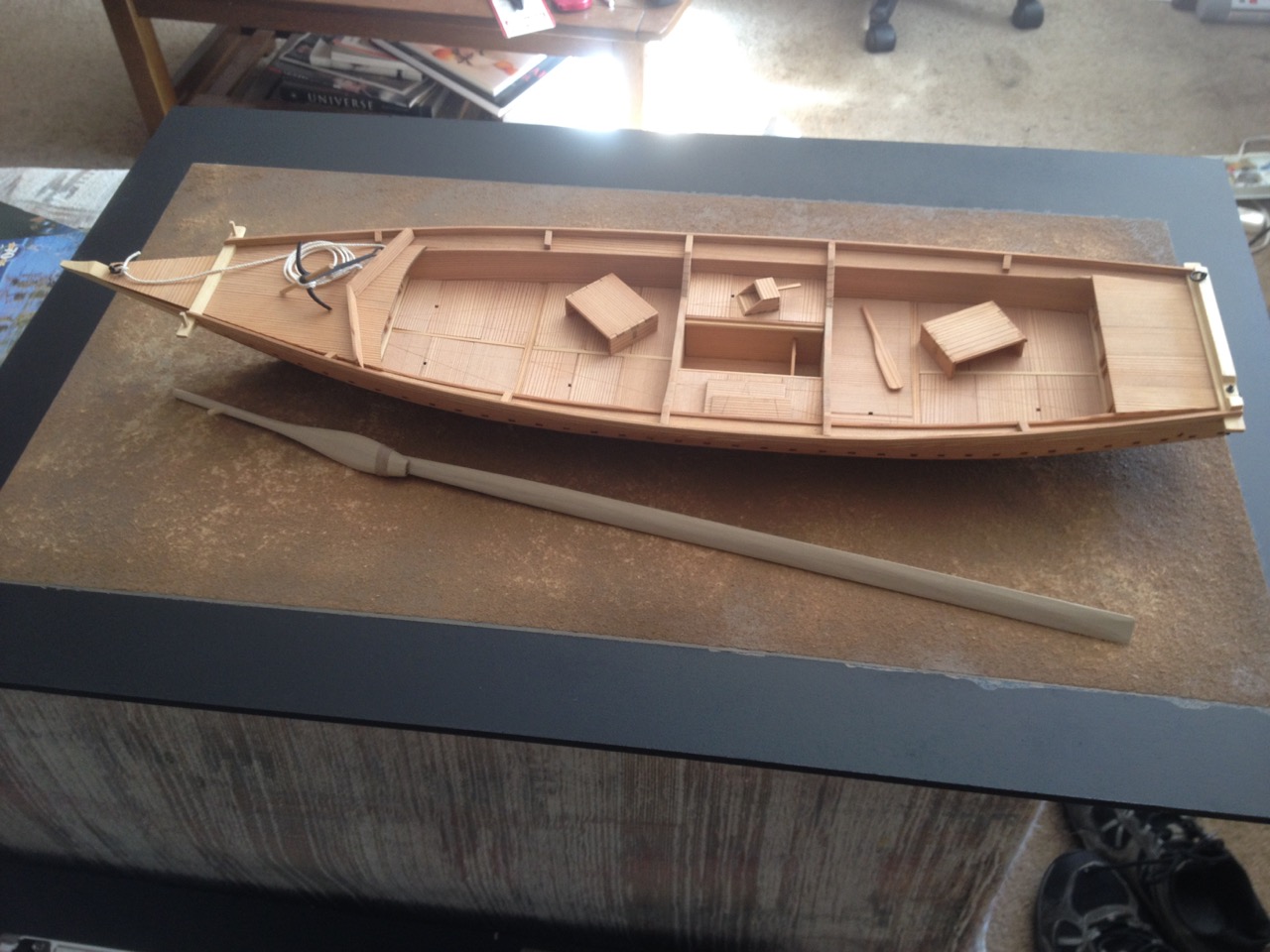
My Tosa wasen model built from a kit from Thermal Studio

While the blogs are not step-by-step instructions, it’s my hope that they may prove helpful to someone building the kits or interested in them. The original build logs are still on shipmodeler, but I’ve managed to use the WordPress system to export them from the other blog and import them here. Quite easy, actually.

The only other build logs that I would consider moving from shipmodeler are for the two Woody Joe mini-kits, the Hobikisen and the Yakatabune. Since these are just simple mini-kits that aren’t particularly accurate, I’ll probably just leave them where they are. After all, there is plenty write about and post here.

To access the newly migrated build logs, simple choose them from the Wasen Model Blogs menu above.

Painted Patterns on Kujirabune (Whale boats)

Kujirabune, also know as Isanabune, were fast boats designed for hunting whales. These boats often had brightly painted sides, decorated with symbols, crests, chrysanthemums, and other themes.

One such boat that I’ve mentioned specifically here is the Senzanmaru, a boat used by the  Hachizuka to deliver dispatches and to tow large gozabune, highly decorated yachts used by the clan.

Senzan-maru, a whale boat used by the Hachitsuka clan.

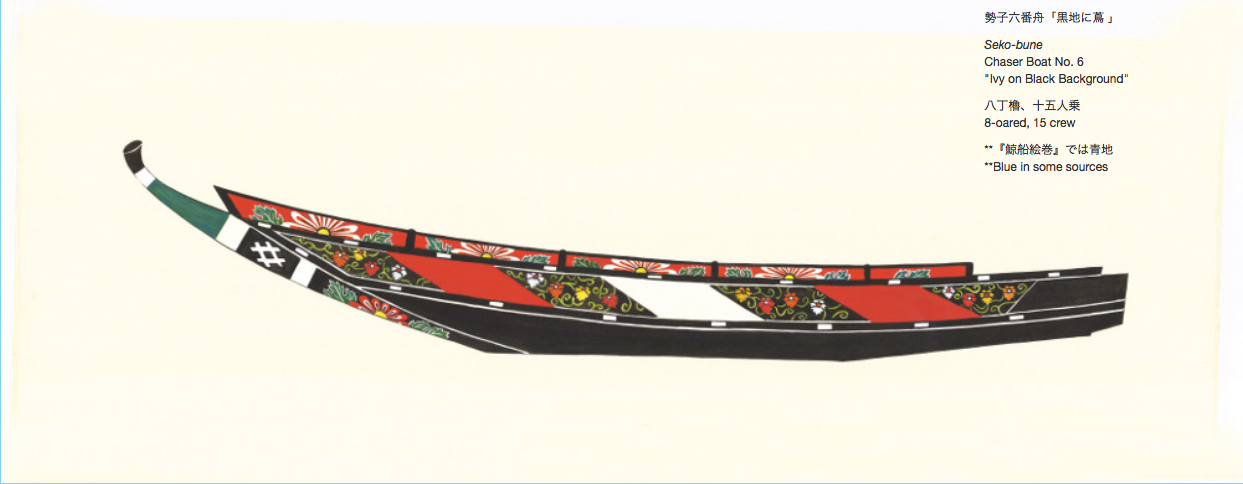
Today, I was admiring a Facebook post by a gentleman I’ve recently been in contact with who has an interest in wasen and took some photos of a group of whaleboats that were on shore in Kumano city, on the Southeastern tip of Shikoku island. I looked up the city on the Internet and one thing led to another. Next thing I know, I ran across an english language web page for the town of Taiji, which illustrates a large number of whaleboats of different types and their colorful painted hull patterns.

Chaser Boat No. 6, an 8-oared boat with a crew of 15. From the Taijiri town website.

There are more than 40 boats and patterns viewable on the web page: http://taiji.town/kujirabune/

But, the whole website is actually very interesting and informative. It appears that it was purposely designed to be a politically neutral, informative site on Taiji an its history in Japanese and English. Visit http://taiji.town

One thing I’m intrigued about is from the whale boats page when you click the About button. There is a detailed plan on the page. It’s too small to use, but I will be asking some friends if they can find out if these plans might be available from the museum. If so, you’re sure to hear about it here.

The Rope: Photo Gallery of Japanese Sailing Ships and Boats

I only just discovered that there is a page on the website of the Japanese ship model society The Rope that features models of Japanese ships. These include some modern era ships, but several Edo period ships are represented. This group does some really beautiful work, which I recommend checking out.

Here’s a link to the page, which is on the English language section of their website: https://theropetokyo-en.jimdo.com/japanese-ships-1/photo-gallery-of-japanese-ships/


Building the Kamakura Period Umi-Bune, Part 6

As I mentioned in my last post on this model, I’d been wrestling with the configuration of the roofs. The 1/20-scale museum model that I often see reference on the web, differs from Professor Ishii’s 3-view illustration that I’ve mostly been basing construction on. Those drawings are more of a match to the early scroll paintings. Oddly enough, none of the models I’ve seen match them exactly. Is it possible that the builders had access to more updated information? Or did they just decide that the Ishii-san was wrong? But, then what about the scroll paintings? Are they simply written off as being wrong?

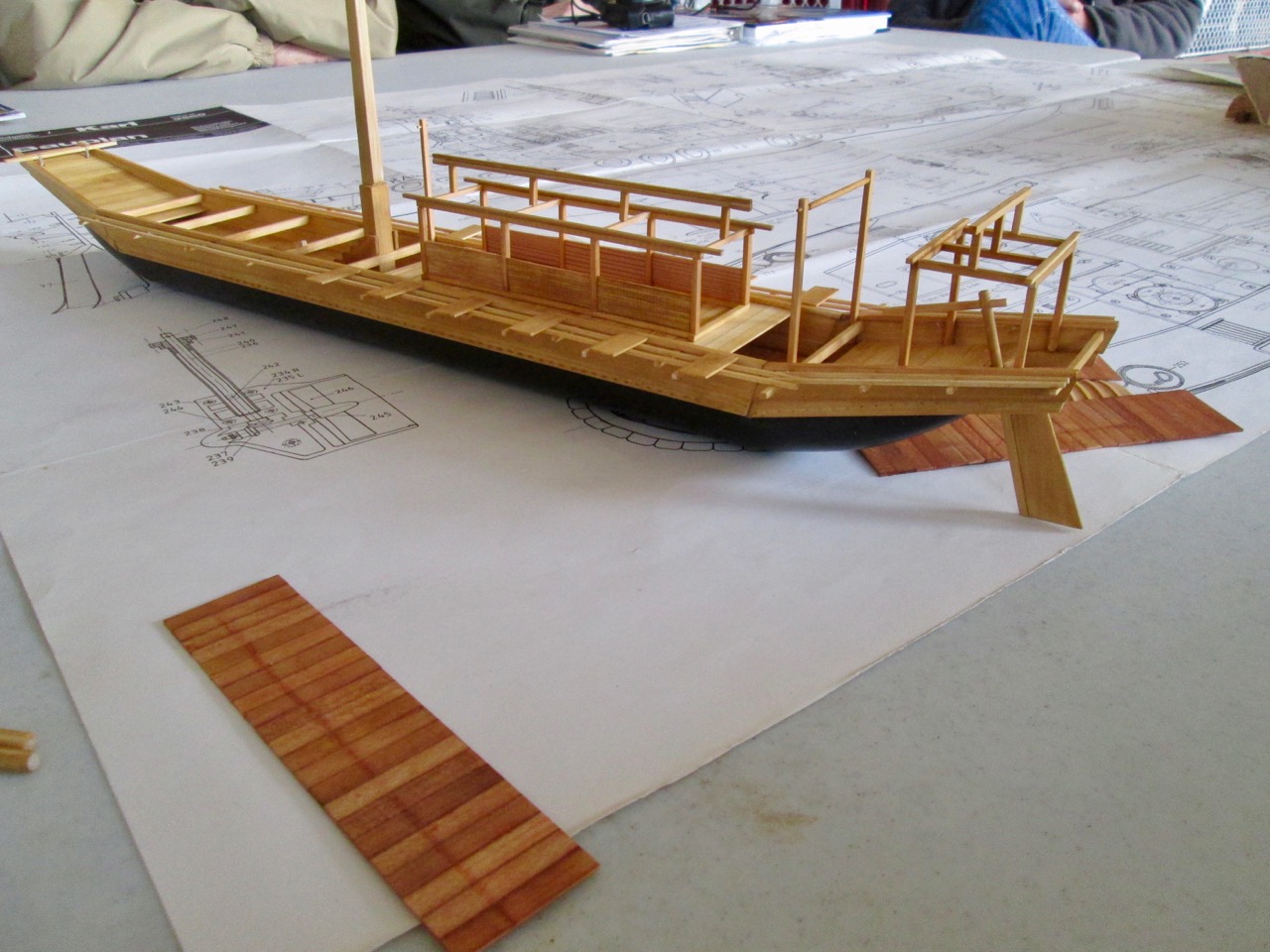
As you can see in the photo below, which was taken at a ship model club meeting, I initially made flat roofs panels. If I could justify them, they would certainly be the simplest to construct.

Flat roof panel initially constructed is seen in foreground.

Continue reading

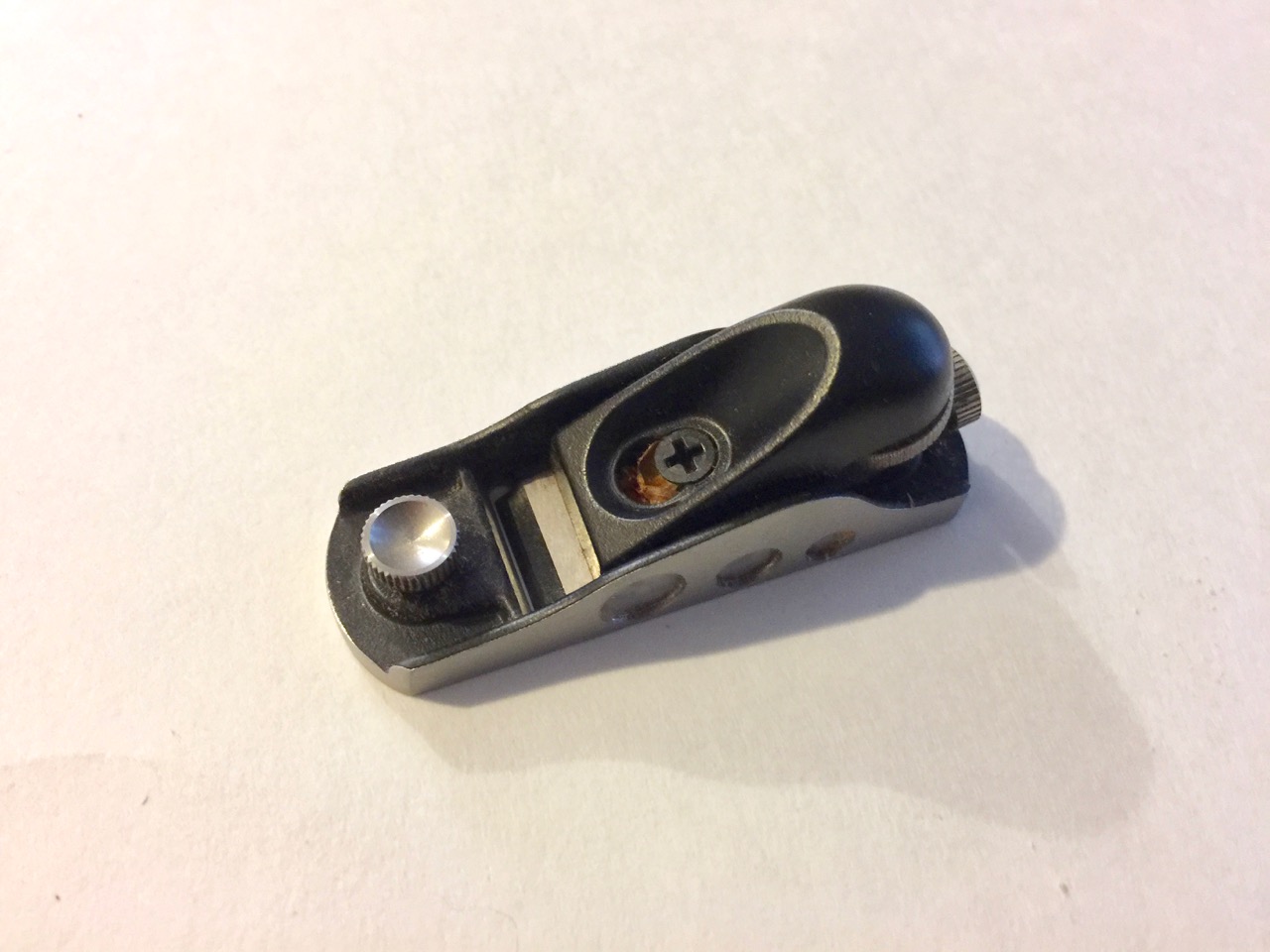
New Tool Additions – Mini Block Plane and Carving Chisels

These have already been put to use on my wasen modeling projects.

The block plane is great when working with Japanese cedar. The wood grain is so hard, it’s difficult to work it with cutting tools. But, I think the miniature block plane will handle it well.

Of course, the carving chisels are great for cutting mortises. But, I will have to work to keep them sharp.

catopower's avatarShip Modeler

I don’t really write about tools much. I know a lot more about ship models than tools. But, I  acquired a few new tools that I thought I’d share here.

Miniature Block Plane

A few weeks ago, I was looking through a Lee Valley Tools catalog. They’re a Canadian based manufacturer and retailer of woodworking and wood restoration hardware. I get their catalog periodically after a fellow ship modeler recommended one of their products.

One thing that I’ve been trying to do more in ship modeling is using a plane in shaping square stock for masts and spars. But, regular hand planes seem overly large and bulky. There are razor planes made for hobbyists, but they are pretty low quality and I haven’t found them to be very useful in ship modeling work. Then, I spotted some miniature planes in the Lee Valley Tools catalog and decided to order one.


This…

View original post 463 more words

Tosa Wasen Youtube Video

This is my second youtube video, which is again actually a slide show. The first one was of the Shinmei-zukuri shrine model from Woody Joe that I built a few months ago. This time, I went back to my Tosa Wasen model from Thermal Studio.

I’m still learning how to use the Youtube editor, but I just found out that it’s going away on September 20th of this year. That’s actually okay, because it works very similarly to Apple’s iMovie software, which I’ve used before, and will just have to go back and use again. Also, iMovie has more control over audio tracks. With the Youtube editor, I’m mostly trying to fit the video to exact length of the audio, which is kind of a drag.

In any case, you can view the Tosa Wasen video below.

Again, I’m happy to hear from anyone with suggestions. Please check it out.

Can a Kobaya be Built from Paris Plans?

Kobaya is a term for a type of smaller military style vessel that is fast and maneuverable. Highly ornate versions of these and larger military vessels called sekibune were used by daimyo and their clans for ceremonial and other official purposes. I don’t know about the smaller ones, but the larger ones were called gozabune. In my limited experience, smaller gozabune are often referred to by their military name, kobayabune or simply kobaya, which means “small and fast.”


Photo of a 30-oar kobaya, of small fast-boat, from a display of models built by Yukio Nakayama. Photo is courtesy of The Rope.

Ship modelers building American or European subjects are accustomed to finding detailed drawingsfor the more popular of these vessels. There are even large numbers of plans made specifically for ship modelers. But, unlike with western subjects, there is a dearth of plans of Japanese watercraft. I’ve found plenty of sketches and there are basic line drawings that might be used, but these commonly don’t have the information needed to build a proper model.

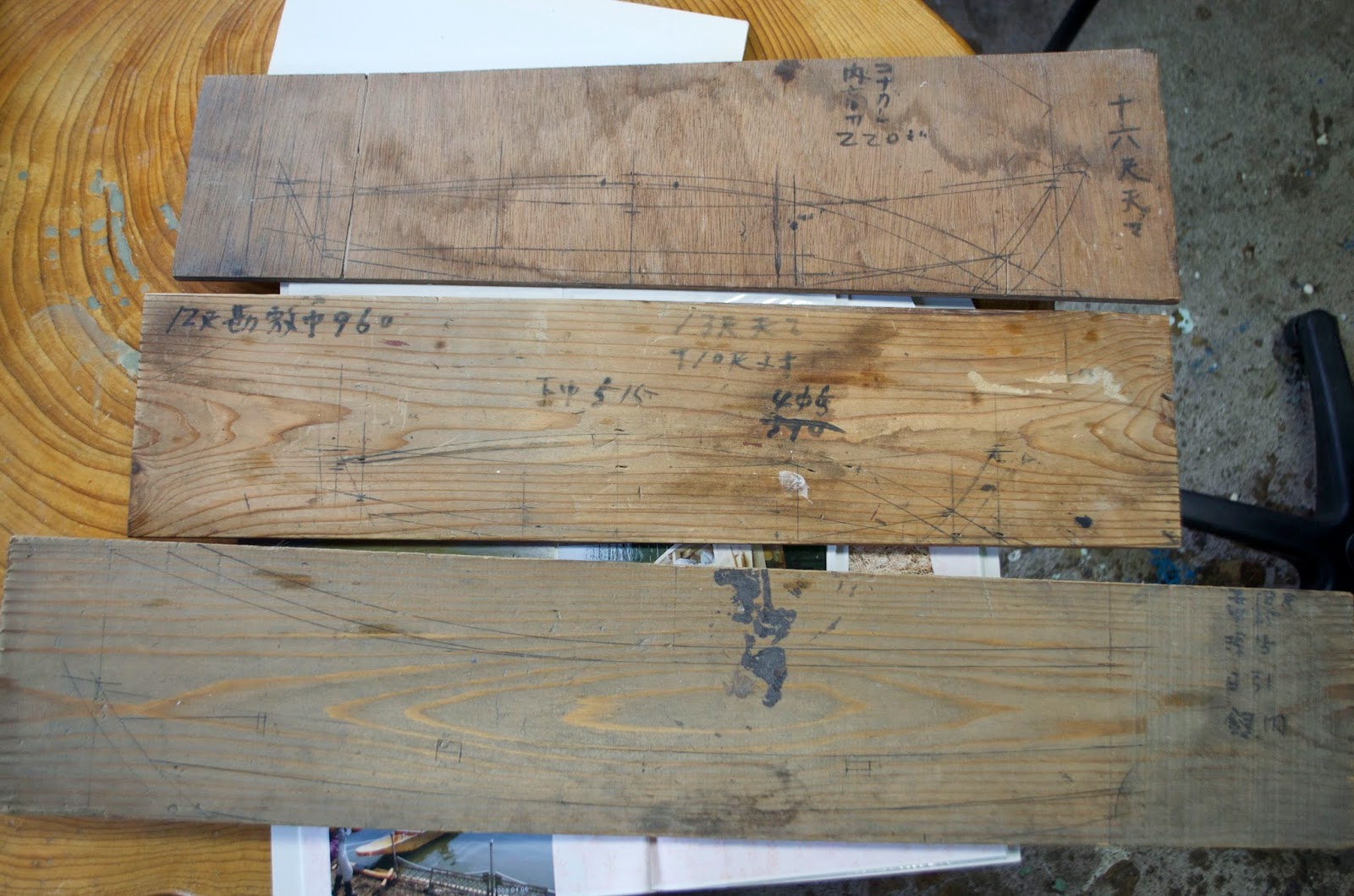
One reason for this is that Japanese boatbuilders don’t have a tradition of recording their work, and they generally only make temporary drawings on wood, sometimes destroying them when done.

Japanese boatbuilder’s plank drawings. Photo courtesy of Douglas Brooks.

Continue reading

Higaki Kaisen Article Part 3

The third and final part of my Higaki Kaisen build article is out with the latest issue of Seaways’ Ships in Scale. While I was actually relieved to see the previous article, so those building the kit would have the information I’m trying to pass along, it’s kind of sad this time around. Though I’ve had other multi-part articles published in the magazine, I’d really like to keep writing about this kit to generate more interest in this and other Woody Joe kits.

Of course, there are other Woody Joe kits to write about. It’s been my plan to write about building the Hacchoro with modifications based on my visit to the replica boats in Yaizu harbor. But, it takes time and I have other projects I need to be working on. So, finding time for that one will be a bit rough.

But, at least all the information on the kit is in print, and hopefully, interested model builders will take advantage of the information, go out and buy the kit, and have a fun and successful build.


Of course, I’ll keep posting info about this and other traditional Japanese watercraft here. So, stay tuned!

From Douglas Brooks – The Cormorant Fishing Boat is Done

I got an email this morning from American boatbuilder Douglas Brooks, who has been in Japan, studying and constructing an Ukaibune, or a traditional river fishing boat used by the cormorant fishermen of Gifu prefecture.

Photo of completed Ukaibune courtesy of Douglas Brooks.

Continue reading

Douglas Brook at the Sabani Races in Okinawa

If you haven’t been following his blog, now is a good time to check in on blog.doublasbrooks.com to get an update on his efforts to study the construction of an Ukaibune, or Cormorant fishing boat.

The ukaibune with the last of the hull planks going on. Photo courtesy of Douglas Brooks.

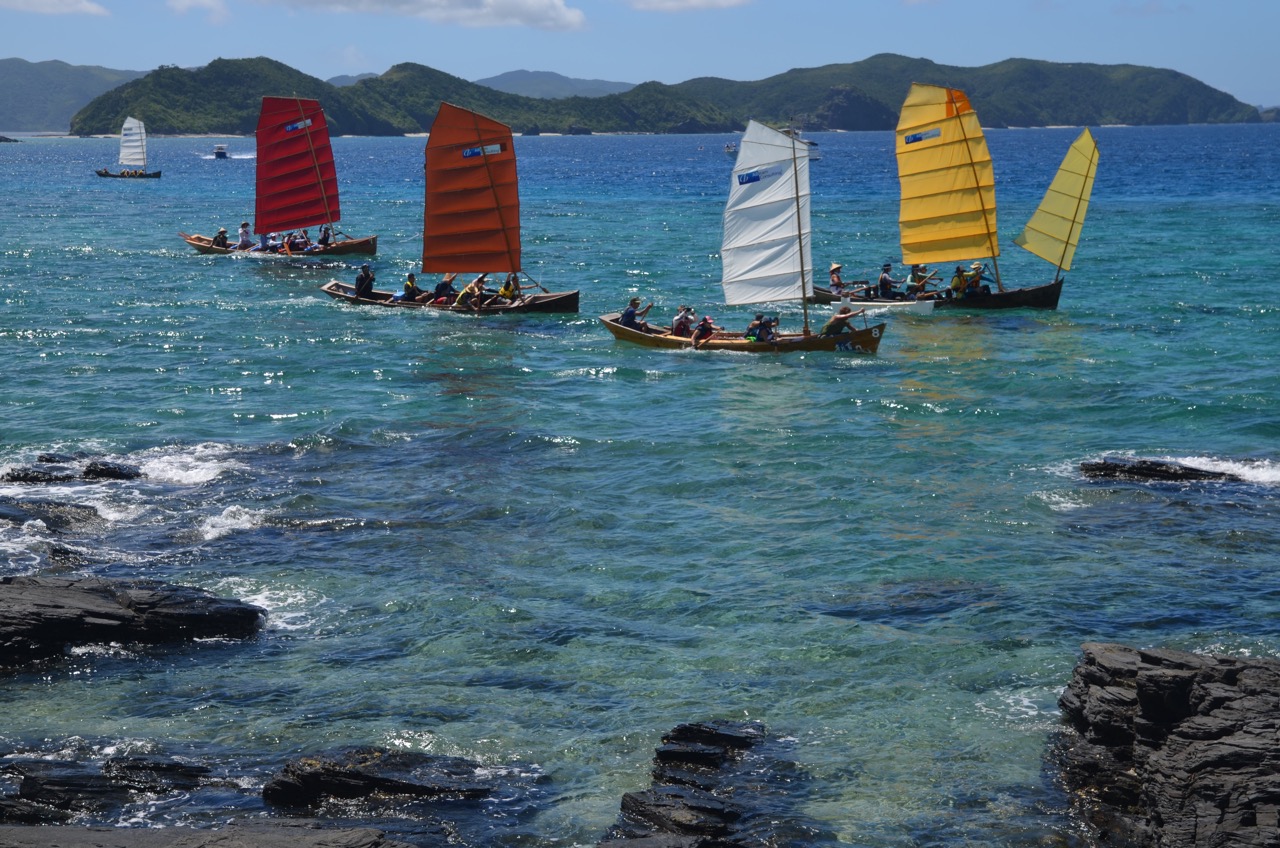
But for the moment, at least as far as his blog updates are concerned, Mr. Brooks is taking a break from work and visiting Okinawa to see the sabani races.

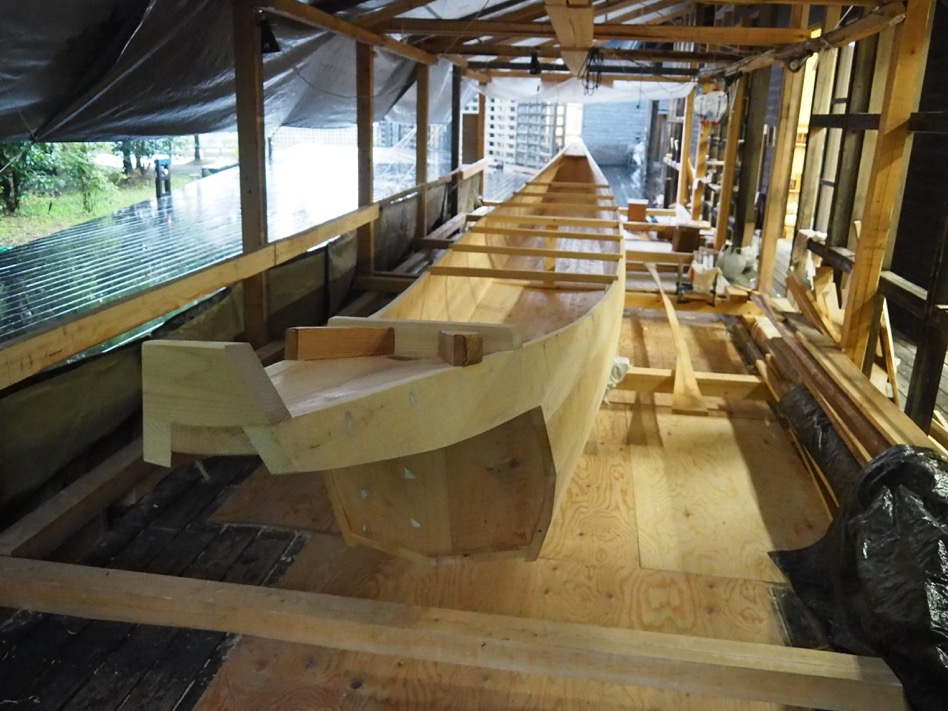
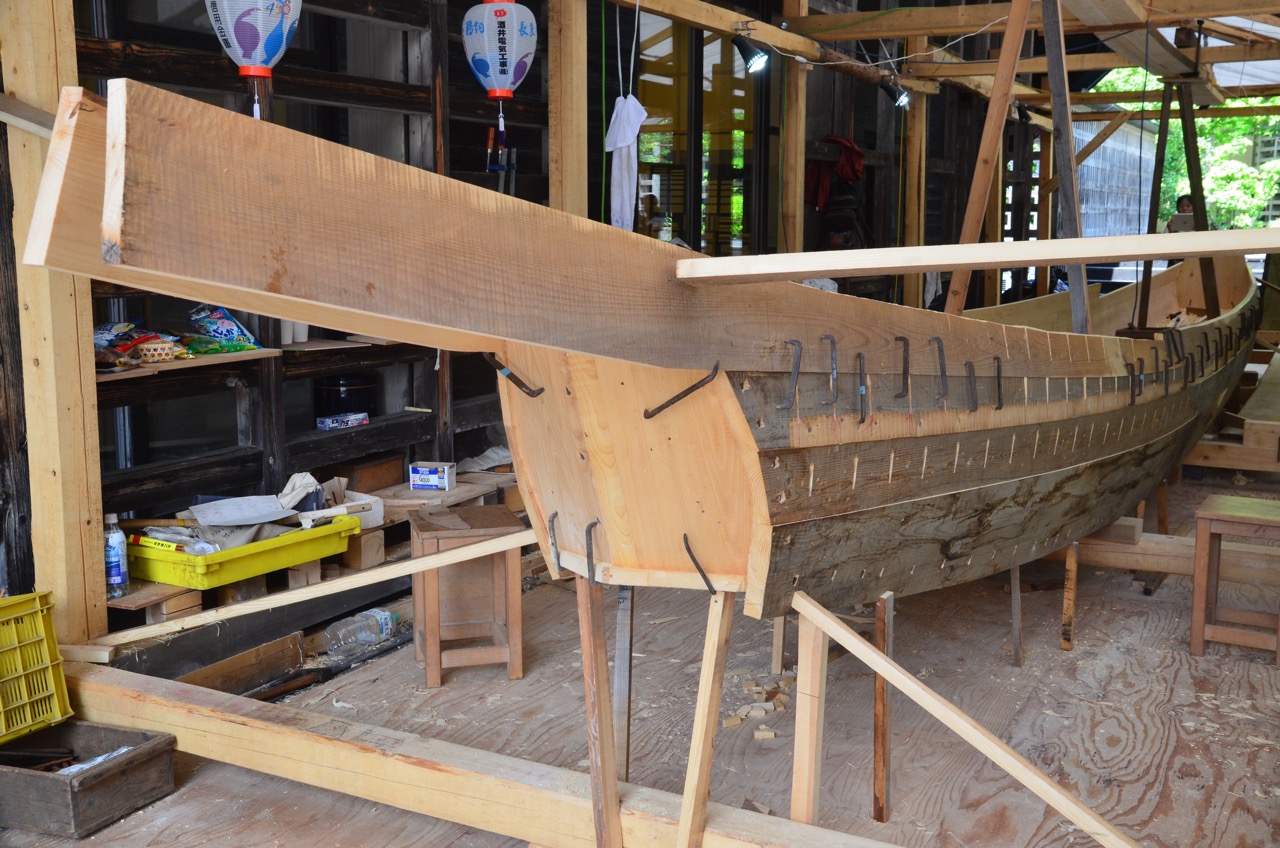
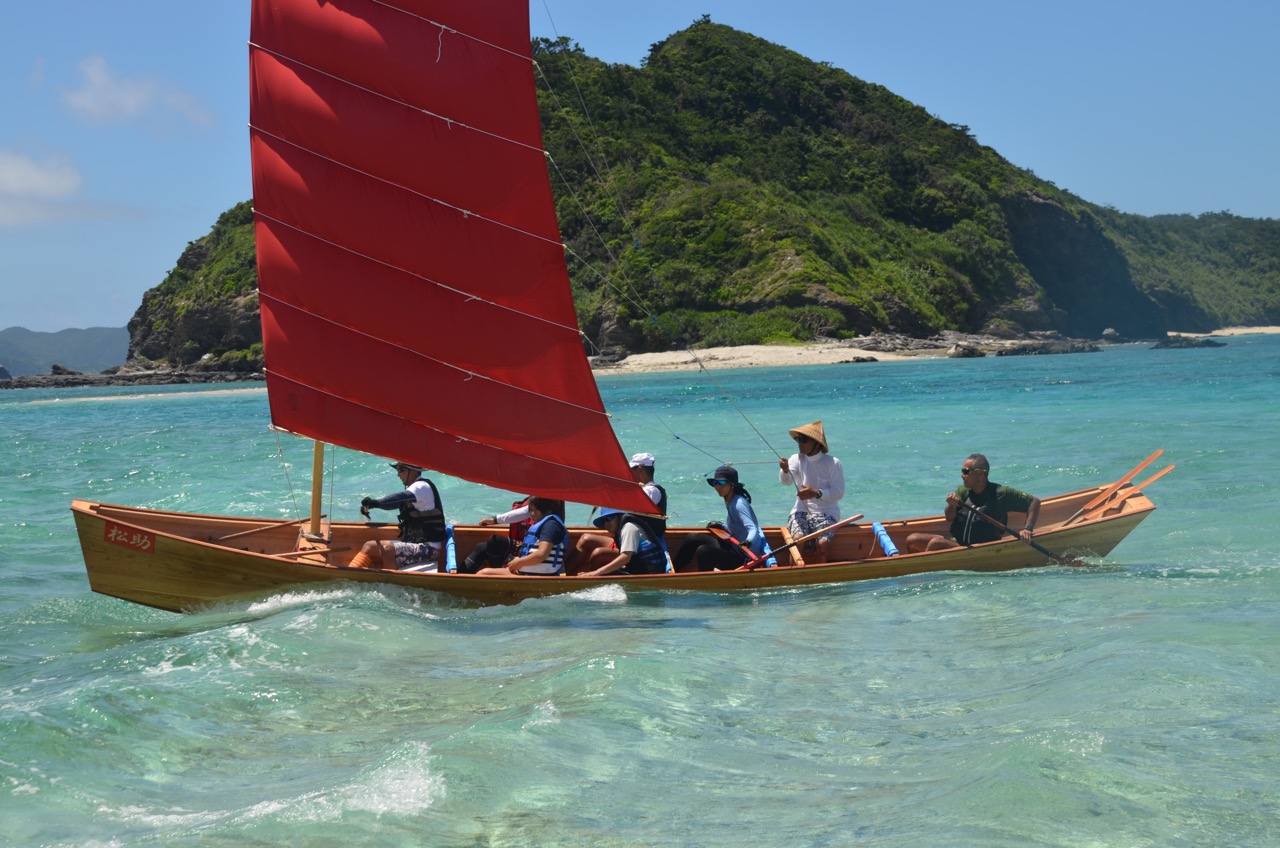
Sabani are semi-dugout boats with thick cedar hull planking. While traditional Japanese boats have been disappearing, the sabani made a resurgence due to the interest of wooden boat sailing enthusiasts.

Okinawan sabani. Photo courtesy of Douglas Brooks.

Mr. Brooks studied the construction of this traditional Okinawan boat through an apprenticeship back in 2009/2010. You can read about the boat and the apprenticeship in detail in his book on Japanese Wooden Boatbuilding. There is also a nice write up on the sabani on his website.

Sabani racing in the beautiful waters of Okinawa. Photo courtesy of Douglas Brooks.

Mr. Brooks is only taking a 1-week break, so I imagine we’ll see an update on his blog soon about the ukaibune project. I don’t imagine it will be long before we see the completed boat engaged in cormorant fishing on the Nagara-gawa.